Cultural Exploration at RIT Croatia: Inside the International Culture Club
Why Student Organizations Matter for International Students in Croatia
Choosing to study abroad is a significant academic and personal decision. When students arrive in a new country, they often face the dual challenge of adapting to a rigorous academic environment while simultaneously navigating an unfamiliar cultural landscape. While the formal curriculum provides the necessary technical and theoretical knowledge, it is the extracurricular environment that frequently shapes the overall student experience. For individuals moving to Croatia, integrating into the local and university community is essential for both personal well-being and academic success.
Student organizations act as a vital bridge between the classroom and the broader world. They provide structured yet flexible environments where students can practice soft skills, build professional networks, and form lasting friendships. At RIT Croatia, the emphasis on experiential learning extends far beyond co-op programs and internships. It is deeply embedded in the daily lives of Dubrovnik students through various student-led initiatives. These clubs are not merely social gatherings; they are practical training grounds for cross-cultural communication and leadership.
Schedule a free consultation to learn more about student life at RIT Croatia.
The Mission Behind the RIT Croatia International Culture Club
At the Dubrovnik campus, the International Culture Club stands out as a primary driver of community building. Currently the largest student club on the campus, it boasts approximately 70 active members. The club’s fundamental mission is to create a welcoming, inclusive space where individuals from vastly different backgrounds can come together to share their unique perspectives. Rather than focusing on a single academic discipline, the club operates on the principle that cultural exploration is a valuable pursuit for all students, regardless of their major.
Building a Diverse Community in Dubrovnik
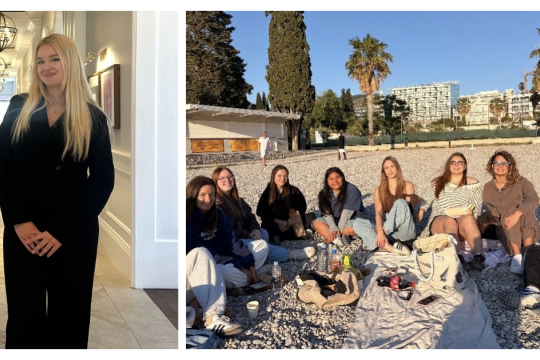
The strength of the International Culture Club lies in its diversity. The members represent a wide array of nationalities, languages, and cultural traditions. Teodora Ćirović, a third-year Hospitality and Tourism Management student and the current president of the club, describes it as a place where students from all kinds of backgrounds and nationalities come together to explore new cultures, make friends, and enjoy being students. This environment is particularly beneficial in a city like Dubrovnik, which is a major international tourist destination. By interacting closely with peers from around the world, students gain a deeper understanding of global dynamics—a critical competency in today’s interconnected workforce.
The club actively works to ensure that no one feels like an outsider. For students who might be experiencing homesickness or culture shock, the club provides a reliable support system. It shifts the focus from what makes students different to what they have in common, fostering a sense of belonging that enhances their overall university experience in Croatia.
Activities That Drive Cultural Exploration
A student club’s value is measured by the quality and consistency of its programming. The International Culture Club maintains a dynamic calendar of events throughout the academic year, carefully balancing educational outings with casual social gatherings. This approach ensures that members have multiple avenues to participate, accommodating different schedules, interests, and energy levels.
Day Trips and Local Adventures
Among the most popular activities are the day trips organized by the club’s leadership. These excursions allow Dubrovnik students to step outside the city walls and experience the natural and historical beauty of the surrounding region. The standout event for many members is the annual trip to Mljet, an island known for its lush national park and stunning saltwater lakes.
During the Mljet trip, students spend the day biking around the island, hiking through Mediterranean forests, and exploring the park’s ancient ruins. These activities require coordination, teamwork, and shared enthusiasm, which naturally breaks down social barriers. As Teodora notes, it is the kind of day where you really see the group bond, away from the usual campus environment. For students studying hospitality and tourism, these trips also serve as informal field studies, allowing them to observe management practices, tourist behavior, and environmental conservation efforts firsthand.
On-Campus Events and Casual Gatherings
Recognizing that not every event needs to be a major production, the club also organizes low-key activities designed to facilitate organic conversation. Casual pizza nights, movie screenings, and potluck dinners are regular fixtures on the schedule. These events remove the pressure of a formal outing and allow students to simply relax and talk. Additionally, the club organizes visits to local museums, galleries, and theaters, integrating the rich cultural offerings of Dubrovnik directly into the student experience. Explore our related articles for further reading on student activities in Dubrovnik.
Developing Leadership Skills Through Student Organizations
Leading a student organization requires a distinct set of skills that cannot be fully taught in a lecture hall. For Teodora, taking on the role of president was a deliberate step out of her comfort zone. She assumed the position after the previous president, Lucia Rogošić, graduated and entrusted her with the club’s continued success. This transition highlights a key aspect of student clubs: the deliberate passing of institutional knowledge and leadership responsibilities from one generation of students to the next.
Managing the International Culture Club involves far more than just planning events. It requires active listening to understand what members want, motivating a team of student volunteers, and maintaining consistency even when academic workloads become intense. Teodora has learned that effective leadership in this context means balancing the logistical demands of event planning with the emotional intelligence needed to manage a diverse group of peers. These are highly transferable skills. For any student, particularly those in management or service-oriented fields, demonstrating the ability to lead a large, diverse team is a significant advantage when entering the job market.
Submit your application today to start your academic journey in Croatia.
How to Get Involved with Dubrovnik Students
The International Culture Club is continuously looking to expand its reach and introduce new experiences to its members. Future plans include organizing hands-on workshops—such as traditional cooking classes or language exchange sessions—and hosting picnics on nearby islands. These additions aim to provide even more touchpoints for students to connect and engage with cultural exploration in a tangible way.
For prospective or current students considering joining, the barrier to entry is intentionally low. Teodora emphasizes that you do not need to speak five languages or have traveled the world to belong in this club. The only requirement is a genuine curiosity and an openness to meeting new people. Many of the closest friendships among Dubrovnik students have formed within the context of this club, proving that the most valuable aspects of a university education often happen outside the classroom.
Maximizing Your University Experience in Croatia
Attending university in a foreign country is a multifaceted experience. Academic rigor is the foundation, but the relationships formed and the cultural competencies developed during those years define the long-term impact of the degree. The International Culture Club at RIT Croatia provides a structured, supportive, and engaging framework for that personal and professional development.
By participating in club activities, students do more than just fill their free time; they actively build a global network. They learn to navigate cultural differences with respect and empathy. They practice organizing events, managing budgets, and communicating across language barriers. Whether you are interested in visiting a national park, trying new foods, or simply having a meaningful conversation with someone from a different background, getting involved in student clubs is a practical step toward making the most of your time abroad.
Have questions? Write to us to learn more about student organizations at RIT Croatia!