Assess Higher Education and Academic Mobility: Tsinghua University Visits Alte University in Georgia
The Strategic Importance of Georgia in Global Higher Education
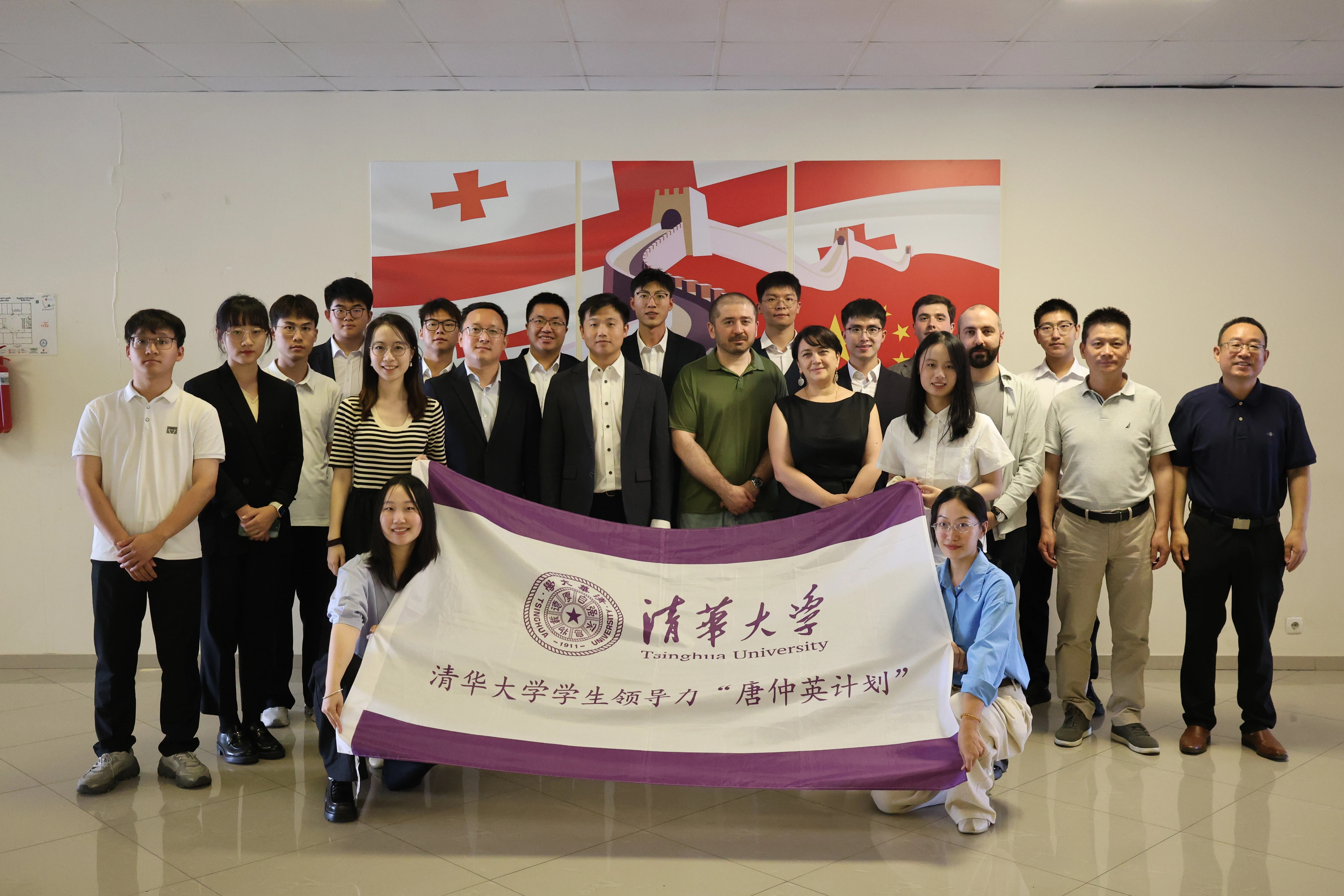
Georgia has steadily positioned itself as a critical junction between Europe and Asia, not only in terms of trade and logistics but also within the realm of international academia. The recent visit of a delegation from Tsinghua University to Alte University underscores the growing recognition of Georgia as a viable and strategic hub for higher education. For prospective students and academic professionals, understanding this geopolitical shift is essential when evaluating where to study, conduct research, or establish institutional partnerships.
Historically, students looking for international education often gravitated toward Western European or North American institutions. However, as the global landscape evolves, universities in the South Caucasus are actively building robust networks that bridge East and West. Alte University has been at the forefront of this movement in Georgia, cultivating an environment that attracts distinguished international scholars and fosters cross-cultural academic dialogue. The presence of a top-tier Chinese institution on campus is a clear indicator of these successful strategic efforts.
Expanding Academic Mobility Between China and the Caucasus
Academic mobility refers to the movement of students, faculty, and researchers across international borders to study, teach, or conduct research. The visit by the Tsinghua University delegation, which included faculty members alongside MD and PhD students, represents a highly focused form of academic mobility. Rather than simply sending undergraduate students for semester-long exchanges, this delegation engaged in comprehensive discussions regarding bilateral cooperation and long-term structural partnerships.
For participating MD and PhD students, interacting with peers and faculty at Alte University provides exposure to different healthcare systems, research methodologies, and regional public health challenges. This exchange of knowledge is mutually beneficial. Georgian students and faculty gain direct insight into the rigorous academic standards and advanced research practices prevalent at Tsinghua University, while the visiting delegation learns about the specific educational frameworks and clinical approaches utilized in Georgia.
Schedule a free consultation to learn more about how international academic exchanges can benefit your educational trajectory.
Building Bridges Through Faculty and Student Exchange
The foundation of sustainable academic mobility lies in faculty-to-faculty relationships. When professors and researchers establish collaborative ties, they naturally create pipelines for their students. The discussions held during the Tsinghua University visit likely laid the groundwork for future joint research papers, collaborative conferences, and structured exchange programs. For a student considering enrollment at Alte University, these underlying networks represent tangible opportunities to engage in international research projects without necessarily having to travel abroad immediately.
Georgia’s Role as an Educational “Middle Corridor”
During the visit, a key topic of discussion was Georgia’s function as a “Middle Corridor” hub. Traditionally, the Middle Corridor refers to the Trans-Caspian International Transport Route, a logistics network connecting China to Europe via the Caspian Sea and the South Caucasus, bypassing Russia. Applying this concept to higher education provides a useful framework for understanding Georgia’s emerging role in global academia.
As an educational Middle Corridor, Georgia offers a unique vantage point. It provides Eastern institutions with a gateway to European academic standards and partnerships, while giving European and Western institutions a stable, accessible entry point into the dynamic educational markets of Asia. Alte University leverages this position by maintaining a curriculum that aligns with European standards while actively seeking partnerships with leading Eastern universities like Tsinghua. For students, studying in an educational Middle Corridor means receiving an education that is inherently globalized, blending multiple pedagogical perspectives and preparing graduates for careers in highly interconnected international markets.
The Role of the Confucius Institute at Alte University
A significant component of the delegation’s visit involved a detailed tour of the Confucius Institute at Alte University, led by the institute’s director, Mr. Zhang Wengang. Confucius Institutes serve as essential vehicles for promoting Chinese language and culture internationally. However, within the context of a modern university, their role extends far beyond language instruction.
At Alte University, the Confucius Institute acts as a continuous bridge for Sino-Georgian relations. It provides Georgian students with the linguistic tools and cultural context necessary to successfully engage with Chinese academic institutions, businesses, and government entities. For the visiting Tsinghua delegation, visiting the institute demonstrated that Alte University possesses the dedicated infrastructure to sustain long-term, meaningful relationships with Chinese partners. It shows a commitment to integrating Chinese academic culture into the broader university ecosystem, rather than treating it as a peripheral extracurricular activity.
Explore our related articles for further reading on how cultural institutes enhance the international student experience.
Diplomatic Support for Educational Partnerships
The significance of the Tsinghua delegation’s visit was further amplified by the attendance of high-ranking diplomatic figures. Mr. Gocha Mikautadze, a representative of the Ministry of Foreign Affairs of Georgia, and Mr. Chen Zhiyu, First Secretary of the Embassy of the People’s Republic of China overseeing education, culture, and tourism, were both present. When government officials actively participate in university-level meetings, it signals that the academic partnership aligns with broader national interests. For prospective students, this governmental backing provides an added layer of stability and credibility to the international programs offered by the university.
What This Means for Prospective International Students
High-level diplomatic and academic meetings can sometimes seem abstract to prospective students focused on choosing a major or applying for admission. However, these interactions directly impact the quality of education a university can provide. When a university like Alte University successfully hosts and negotiates with a globally ranked institution like Tsinghua University, it results in several concrete benefits for the student body.
First, it expands the pool of guest lecturers and visiting professors, exposing students to diverse academic viewpoints. Second, it increases the likelihood of developing dual-degree programs or certified exchange semesters that allow students to add international credentials to their resumes. Third, it enhances the university’s overall research output, as collaborative international research often receives greater funding and publication opportunities. Finally, for students specifically interested in the intersecting markets of Europe and Asia, studying at an institution with active, government-supported ties to China provides a distinct competitive advantage in the job market.
Submit your application today to join a university that prioritizes global networking and international academic partnerships.
Evaluating the Future of International Partnerships in Tbilisi
The visit from Tsinghua University is not an isolated event but rather a reflection of a deliberate strategy by Alte University to integrate itself into the global higher education network. As universities worldwide compete for international talent and collaborative research grants, the ability to attract delegations from leading institutions becomes a key metric of a university’s prestige and operational effectiveness.
Moving forward, we can expect to see the discussions regarding the educational Middle Corridor materialize into formal agreements. These may take the form of specific research grants focusing on regional challenges, structured mobility programs for medical and doctoral students, or joint cultural initiatives spearheaded by the Confucius Institute. The involvement of both the Georgian and Chinese diplomatic corps suggests that these future initiatives will receive support beyond the university level, potentially opening doors for state-sponsored scholarships and intergovernmental research funding.
Conclusion
The meeting between Tsinghua University and Alte University in Georgia represents a practical step forward in the expansion of academic mobility and international higher education cooperation. By framing Georgia as an educational Middle Corridor, both institutions highlighted the strategic importance of the South Caucasus in connecting European and Asian academic networks. For students and academics, events like these signal that Alte University is actively building a globally connected campus that values cross-cultural exchange, high-level research, and strategic international partnerships.
Have questions? Write to us! We can provide more details on how Alte University’s international partnerships impact your specific program of interest.
Share your experiences in the comments below if you have participated in international academic exchanges or cultural institutes during your studies.