Strengthening Global Ties: The University of Georgia Expands One Health International Research in China
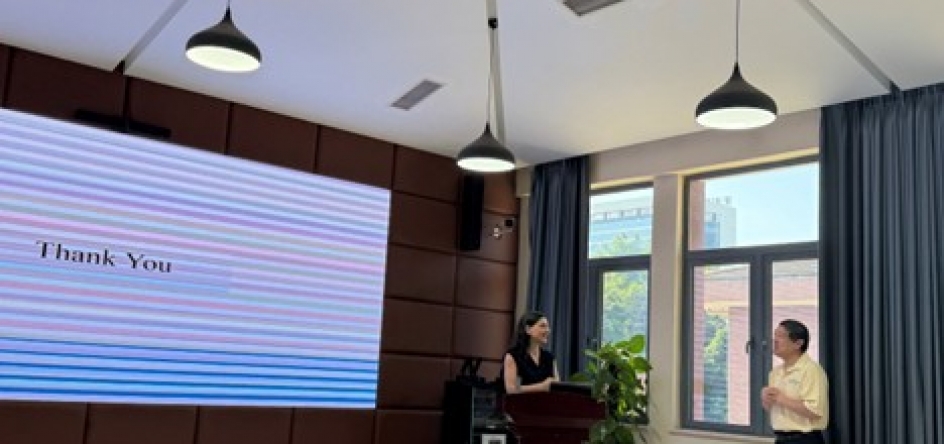
Recent initiatives demonstrate how targeted academic outreach builds critical scientific networks across borders. A delegation from The University of Georgia recently completed a high-impact academic visit to China, establishing concrete steps to advance international research in the critical field of One Health. This partnership between The University of Georgia and Chongqing Medical University highlights how institutions in Georgia are actively shaping global scientific discourse. Submit your application today to become part of a university that prioritizes global scientific engagement.
Understanding the Impact of Cross-Border Academic Collaboration
Modern scientific challenges rarely confine themselves to a single geographic region. Issues such as pandemic preparedness, antimicrobial resistance, and food security require coordinated, global responses. Academic collaboration serves as the foundation for these responses, allowing researchers to pool resources, share specialized equipment, and combine diverse datasets.
For institutions in Georgia, building partnerships with leading research powers in Asia provides a strategic advantage. It facilitates the exchange of methodological approaches and integrates local research into broader, international frameworks. The recent visit by faculty from The University of Georgia to multiple regions in China—including Qinghai Province and Chongqing—exemplifies this strategy. By engaging directly with international peers, researchers from Georgia ensure their work meets global standards and addresses universal scientific needs.
Defining the One Health Approach in Modern Science
At the core of this international research initiative is the One Health framework. One Health is a collaborative, multisectoral, and transdisciplinary approach that recognizes the interconnection between the health of people, animals, plants, and their shared environment. Rather than treating human medicine, veterinary science, and environmental studies as isolated disciplines, One Health integrates them to achieve better health outcomes.
Within the School of Science and Technology at The University of Georgia, the One Health Institute focuses heavily on microbial genetics and ecology. Studying the genetic makeup and ecological distribution of microorganisms is essential for understanding how pathogens jump between species and adapt to new environments. By applying this focus to international research, scientists can track the movement of zoonotic diseases and identify environmental factors that contribute to outbreaks. The collaboration with Chongqing Medical University’s College of Public Health directly applies this framework, combining expertise in microbial genetics with large-scale public health data from China.
Key Outcomes from The University of Georgia’s Visit to China
Dr. Tinatin Elbakidze, Head of the Microbial Genetics and Ecology Laboratory, led the three-week academic visit at the invitation of Dr. Yu-Wei Tang, Honorary Academic Dean of the College of Public Health at Chongqing Medical University. The visit yielded several tangible deliverables that move the partnership from theoretical agreement to active scientific production.
Intensive Bioinformatics Training and Capacity Building
A major component of the visit was the delivery of a two-week intensive training course in bioinformatics. As microbial genetics generates massive amounts of sequencing data, the ability to process, analyze, and interpret this data is a critical bottleneck in many research institutions. By providing hands-on bioinformatics training to both academic staff and students in China, The University of Georgia actively contributed to capacity building.
This type of knowledge exchange is a hallmark of effective academic collaboration. It ensures that partner institutions can independently maintain high-level data analysis standards, making future joint projects more efficient and equitable. For students involved in such training, exposure to international bioinformatics workflows significantly enhances their technical skill sets and career prospects in modern biology.
Developing Joint Research Proposals and Scientific Publications
Beyond training, the visit focused on structuring future scientific endeavors. The delegation concluded the visit by finalizing a joint research project proposal. Creating a collaborative proposal requires aligning research objectives, agreeing on methodologies, and distributing responsibilities—a process that benefits immensely from face-to-face institutional meetings.
Furthermore, the visit built upon existing work. The results of prior collaborative research conducted by the One Health Institute and Dr. Tang’s research team have already been submitted for publication in the highly regarded international scientific journal, Frontiers in Microbiology. Publishing in top-tier journals validates the quality of the research coming out of Georgia and solidifies the institutional reputation of The University of Georgia on the world stage. Schedule a free consultation to learn more about how you can engage with our active research institutes.
How International Research Benefits Students and Faculty in Georgia
When a university actively engages in international research, the benefits extend far beyond the principal investigators. For students, these partnerships create a ripple effect of opportunity. Faculty members who participate in global collaborations bring back refined methodologies, updated literature, and new perspectives to their classrooms in Georgia. Students gain access to real-world case studies drawn from international contexts, making their education more relevant to the globalized economy.
Additionally, international collaborations often open doors for student mobility. Establishing a formal relationship with Chongqing Medical University paves the way for future student exchanges, joint graduate programs, and access to specialized internships. Students studying microbiology, genetics, or public health at The University of Georgia can potentially participate in research that spans continents, giving them a distinct competitive edge when entering the job market or applying for doctoral programs.
Actionable Steps to Engage in Global Scientific Partnerships
For aspiring researchers and students looking to follow a similar path, understanding how to engage with international research is crucial. Building a career that includes cross-border academic collaboration requires deliberate preparation.
1. Master Quantitative and Bioinformatics Skills: Modern international research relies heavily on data. Developing strong computational skills makes you a valuable asset to any cross-border research team. Familiarize yourself with genomic sequencing tools, statistical software, and data visualization techniques.
2. Participate in International Symposia: As demonstrated by the recent visit to China, presenting at international symposia is a primary way to build a global network. Seek out conferences, even as a student, to present posters or attend workshops. Have questions? Write to us! for advice on finding relevant conferences in your field.
3. Seek Mentorship from Active Researchers: Working in a laboratory led by faculty who already maintain international ties provides immediate exposure to global standards. The Microbial Genetics and Ecology Laboratory at The University of Georgia is a prime example of a lab where students can learn collaborative research mechanics firsthand.
4. Learn the Mechanics of Grant Writing: Joint research proposals require specific administrative and writing skills. Volunteer to assist faculty members with literature reviews or grant formatting to understand how multinational funding is structured.
Moving Forward with Global Health Initiatives
The successful academic visit to China represents a significant step forward for The University of Georgia and its commitment to the One Health paradigm. By combining intensive bioinformatics training, strategic institutional meetings, and targeted publication efforts, the university demonstrates a sustainable model for international research.
As global health challenges continue to evolve, the necessity for interconnected scientific communities will only grow. Institutions that proactively build these networks will lead the way in developing actionable solutions. The University of Georgia continues to position itself as a central hub for scientific inquiry in the region, offering students and researchers the infrastructure and connections needed to make a tangible impact on global health. Share your experiences in the comments below regarding how international perspectives have influenced your academic journey, or explore our related articles for further reading on research opportunities in Georgia.