Evaluate Georgia Academic Programs: Insights from the University of Georgia Open Day
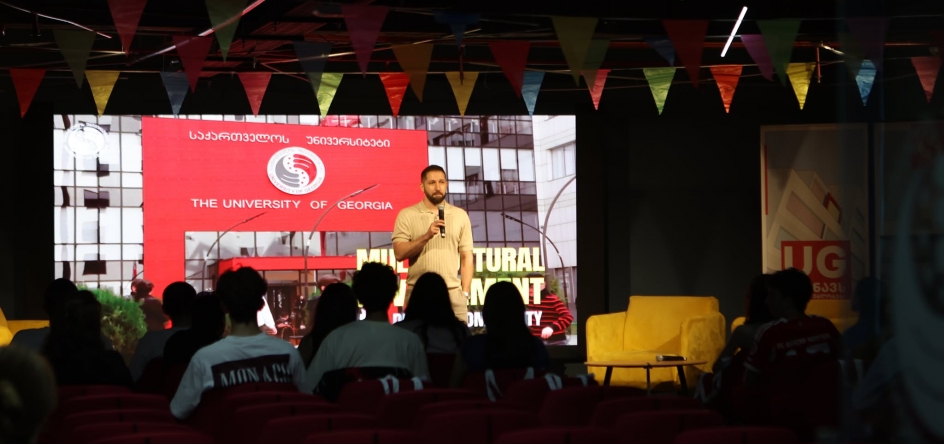
Choosing the right university requires thorough research, direct engagement with faculty, and a clear understanding of the academic and financial opportunities available. For prospective students Georgia, attending campus events provides a practical way to assess whether an institution aligns with their career objectives. Recently, the University of Georgia hosted a dedicated event led by the University of Georgia Rector, Professor Konstantine Topuria, offering a comprehensive overview of the institution’s offerings for the 2026–2027 academic year. This article breaks down the key takeaways from this Georgia open day to help you make an informed decision about your higher education.
Schedule a free consultation to learn more.
Assessing the Quality of Georgia Academic Programs
When evaluating Georgia academic programs, institutional accreditation and quality assurance should be your primary focus. During the open day, officials highlighted that the University of Georgia operates under strict quality assurance protocols. Notably, the university holds both ISO 9001 and ISO 27001 certifications. The ISO 9001 certification indicates a robust quality management system, ensuring that academic and administrative processes consistently meet international standards. The ISO 27001 certification demonstrates a strong commitment to information security management, which is increasingly critical in modern education.
Understanding the Program Catalogue
The University of Georgia offers a diverse program catalogue designed to meet the demands of the modern labor market. Prospective students are encouraged to review this catalogue carefully before applying. Rather than choosing a major based solely on its popularity, assess how the curriculum aligns with your specific career goals. Look at the course modules, the availability of practical labs, and the expertise of the academic staff. The open day emphasized that UG continuously updates its curriculum to reflect industry changes, ensuring graduates possess relevant, up-to-date knowledge.
Financial Opportunities and the “More Grant” Initiative
Financing a university education is a major concern for many families. Addressing this directly, the University of Georgia Rector detailed the financial opportunities available for the upcoming academic year. A central focus of this discussion was the “More Grant” initiative. Understanding how these grants work is essential for prospective students Georgia who want to minimize student debt while maximizing their educational investment.
How to Leverage Financial Aid
Grants and financial aid packages are highly competitive. To improve your chances of securing funding through initiatives like the More Grant, you must maintain a strong academic record and submit your application materials well before the deadlines. Use campus visits to ask financial aid officers specific questions about eligibility criteria, renewal requirements, and whether the grant can be combined with other forms of financial assistance. Planning your finances early prevents last-minute stress and allows you to focus entirely on your studies once the semester begins.
Submit your application today.
Preparing for the Future: AI and Emerging Professional Skills
A standout segment of the open day was Professor Topuria’s address on the growing impact of Artificial Intelligence (AI) on the future of professions. As AI technologies integrate into various industries, the demand for traditional skills is shifting. The University of Georgia is actively adapting its teaching methodologies to prepare students for this reality.
Adapting to a Changing Labor Market
Regardless of your chosen major, developing competencies in data literacy, critical thinking, and adaptive problem-solving is no longer optional. During the event, prospective students learned that UG is integrating discussions of AI and emerging technologies across multiple disciplines, not just in computer science programs. When selecting a program, inquire about how the curriculum addresses technological advancements. A degree that incorporates AI literacy will provide a significant advantage in the job market, making you more resilient to industry disruptions.
Global Mobility Through Exchange Programs
Academic exposure should not be limited to a single country. The University of Georgia places a strong emphasis on internationalization, which was evident during the discussions on exchange programs. Participating in an exchange program allows you to experience different educational systems, learn new languages, and build a global professional network.
Integrating International Experience into Your Degree
If studying abroad is part of your academic plan, investigate the specific partnerships the University of Georgia maintains with foreign institutions. Find out which academic programs offer the most seamless credit transfer options for exchange students. Additionally, ask about the language requirements and the level of support the university provides to students before, during, and after their international placements. Building an international perspective is a tangible asset that employers actively seek.
Experiencing Modern Educational Facilities
The infrastructure of a university directly impacts the quality of your daily student life. During the recent Georgia open day, attendees toured the University of Georgia’s modern educational facilities. The campus, located at 77a M. Kostava str. in Tbilisi, is equipped with updated libraries, specialized laboratories, and dedicated student spaces.
Evaluating Campus Resources
When you visit a campus, look beyond the aesthetic appeal of the buildings. Assess the functionality of the library, the availability of quiet study areas, and the quality of the technological equipment in the classrooms. Furthermore, consider the non-academic facilities, such as the medical office, fitness centers, and student clubs. The University of Georgia also features affiliated institutions like a kindergarten and a school, which speak to the institution’s broad educational ecosystem and long-term presence in the region.
What to Do After the Georgia Open Day Ends
The June 26 event marked the final scheduled open day before the start of the new academic year. However, the University of Georgia continues to welcome prospective students daily. If you missed the formal event, you should not delay your research. Contact the admissions office directly to arrange a personalized campus tour or to request a meeting with an academic advisor from your preferred department.
Engaging with the University Community
The open day also featured an interactive quiz, demonstrating the university’s commitment to engaging teaching methods. Staying connected with the university’s social media channels and attending public lectures or student club events can give you a better feel for the campus culture. Active engagement shows initiative and helps you build relationships with faculty and staff before you even enroll.
Share your experiences in the comments below.
Next Steps for Prospective Applicants
Selecting a university is a significant decision that requires careful evaluation of academic quality, financial aid, future-proof skills, and campus resources. The insights shared by the University of Georgia Rector during the recent open day highlight an institution focused on practical outcomes, international standards, and adapting to the future of work. Take the time to review the program catalogue, prepare your application materials for the More Grant, and reach out to the admissions team to clarify any remaining questions.