
Age‑Friendly Parks: Transforming Adelaide’s Green Spaces for Older Residents
Why Inclusive Design Matters for Aging Communities
Australia’s aging population is expanding at a rapid rate – within the next two decades, one in four citizens will be 65 or older. In Adelaide, the historic parklands that formed the city’s first public park system in 1837 no longer match the needs of this growing demographic. Comfort, safety, and independence are key considerations that traditional park layouts often overlook. Addressing these gaps not only enhances the wellbeing of older adults but also creates spaces that invite intergenerational use and strengthen community bonds.
The Transforming to an Age‑Friendly World Initiative
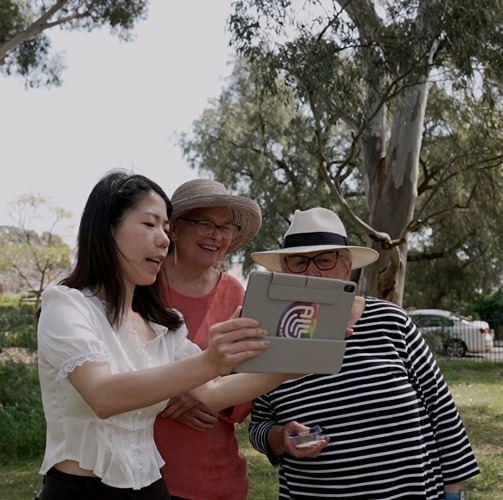
Led by Dr Zinan Chen, the UniSA PhD research project “Transforming to an Age‑Friendly World” combines Virtual Reality (VR), Augmented Reality (AR) and citizen‑science tools to put older residents at the heart of park design. The study was conducted with the City of Unley, Tract Consultants, and supported by South Australia’s Office for Ageing Well. It has already earned three prestigious awards from the Australian Institute of Landscape Architects (AILA): the National Landscape Architecture Award, the People’s Choice Award, and the SA Award for Research, Policy and Communications.
Co‑Design Versus Consultation
Traditional planning often treats older citizens as passive respondents. In contrast, the UniSA project engaged participants as co‑creators. Through 51 park audits, co‑design workshops, 2‑D sketches, and immersive VR/AR simulations, older residents were able to see their suggestions rendered in real time, fostering a sense of ownership and importance. Their priorities—ergonomic seating, shaded areas, sensory planting, and intergenerational activity zones—shifted the project’s focus from aesthetics alone to user‑centric functionality.
Practical Outcomes for Adelaide’s Parks
Key recommendations derived from the co‑design process include:
- Back‑support chair templates that reduce strain during prolonged sitting.
- Strategically placed shade trees and wind‑break screens to increase thermal comfort.
- Low‑maintenance sensory plantings that provide calming scents and visual interest.
- Shared play spaces that invite children, grandchildren, and seniors to interact.
These elements can be integrated into any park refurbishment plan, ultimately encouraging higher visitation rates across age groups.
A Model Ready for Scale
The research has generated a toolkit of co‑design methods and an evidence‑based guideline that council planners can adopt. In 2025–26, Dr Chen will present the model to the Local Government Association of South Australia, aiming to expand its application beyond parks to aged‑care facilities, hospitals, schools, and mental‑health centers.
What Makes the Approach Unique?
Unlike conventional feedback surveys, this project relies on immersive technology to visualise space changes and citizen‑science data collection for real‑world usage patterns. The result is a data set that illustrates how people interact with specific features—foot traffic at benches, shade coverage, or sound levels—providing tangible evidence to justify design decisions.
How Community Professionals Can Get Involved
Urban designers, landscape architects, and local council teams can adopt the tools and processes developed by UniSA. By integrating VR/AR co‑design into early planning stages, practitioners can:
- Reduce the risk of costly post‑construction modifications.
- Validate design assumptions with direct user feedback.
- Align projects with sustainability and accessibility standards.
The result is a smoother design cycle and districts that more effectively serve all residents.
Driving Better Outcomes for All Residents
Age‑friendly design is not a niche initiative—it is a universal strategy that enhances public spaces for first‑time visitors, families, and community groups. By listening closely to those who use these spaces most frequently, designers can create safer, more engaging, and more inclusive environments that last for generations.
Take the Next Step in Community‑Centred Park Design
Urban planners seeking to improve existing green spaces should explore the research outputs from the UniSA project. Opportunities to engage with the co‑design toolkit are available through the University of South Australia’s research portal. Engaging with these resources can position your community at the forefront of age‑inclusive public space development.
Explore our related research and learn how to apply these findings to your own projects.
Connect with the UniSA Project Team
For more information, reach out to Dr Zinan Chen or visit the UniSA media website. You can also:
- Apply to UniSA’s community‑design and urban‑planning programs
- Learn more about UniSA’s commitment to inclusive design
- Schedule a free consultation with our research experts
- Read additional articles on age‑friendly innovation
To stay updated on future projects and publications, subscribe to the UniSA media releases or visit the street‑level community hub.
Submit your application today and contribute to the future of inclusive public spaces.