Intro
Study in Caribbean
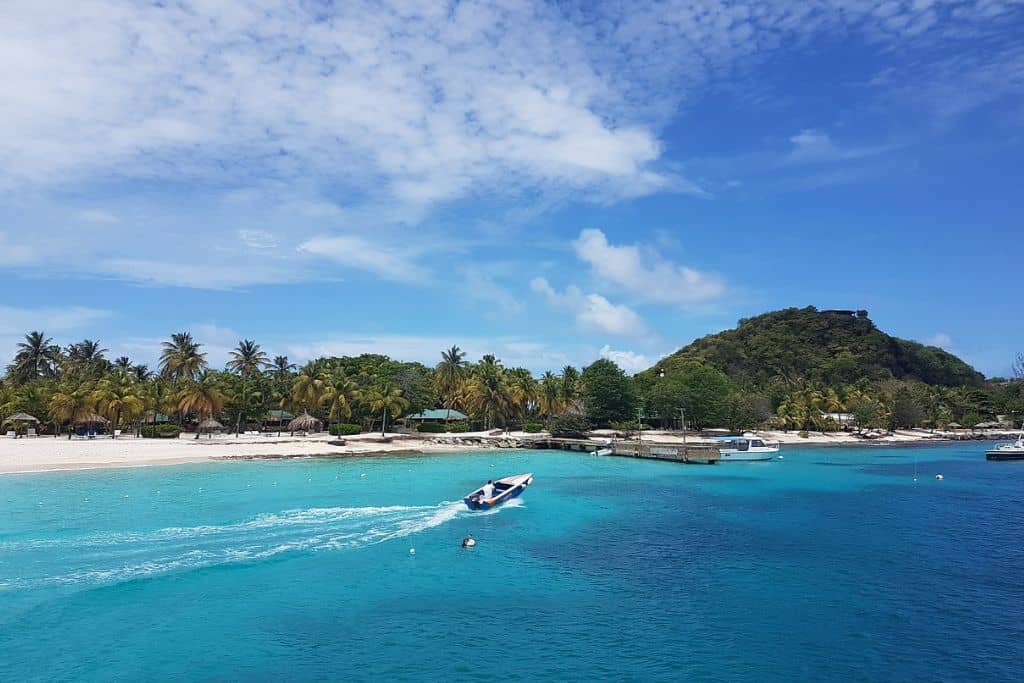
The Caribbean, located between North and South America, is a vast archipelago that stretches across the Caribbean Sea. Comprising over 700 islands, islets, reefs, and cays, this region includes well-known nations such as Grenada, Barbados, Jamaica, Trinidad and Tobago, and many others. The Caribbean's strategic position at the crossroads of the Americas makes it a melting pot of cultures, blending African, European, Indigenous, and Asian influences into a vibrant tapestry of traditions, languages, and cuisines.
For international students looking to study in Caribbean, the region offers an ideal mix of academic excellence and cultural immersion. While English is the primary language spoken in many Caribbean countries—particularly in popular study destinations like Grenada and Barbados—other islands boast significant French (e.g., Martinique, Guadeloupe), Spanish (e.g., Cuba, Dominican Republic), and Dutch (e.g., Aruba, Curaçao) linguistic heritages.
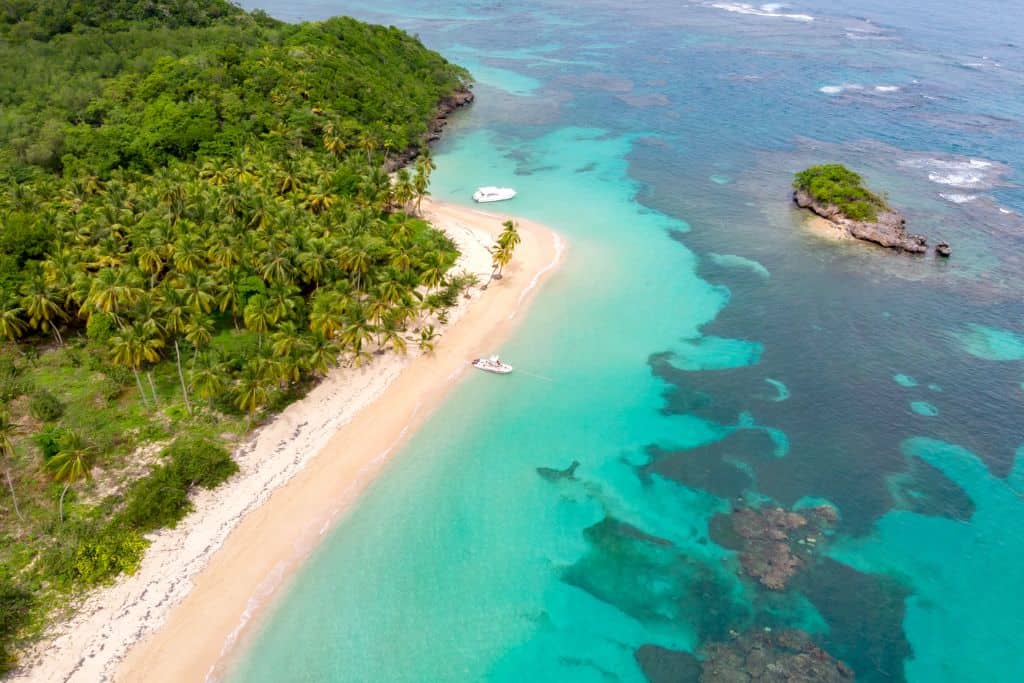
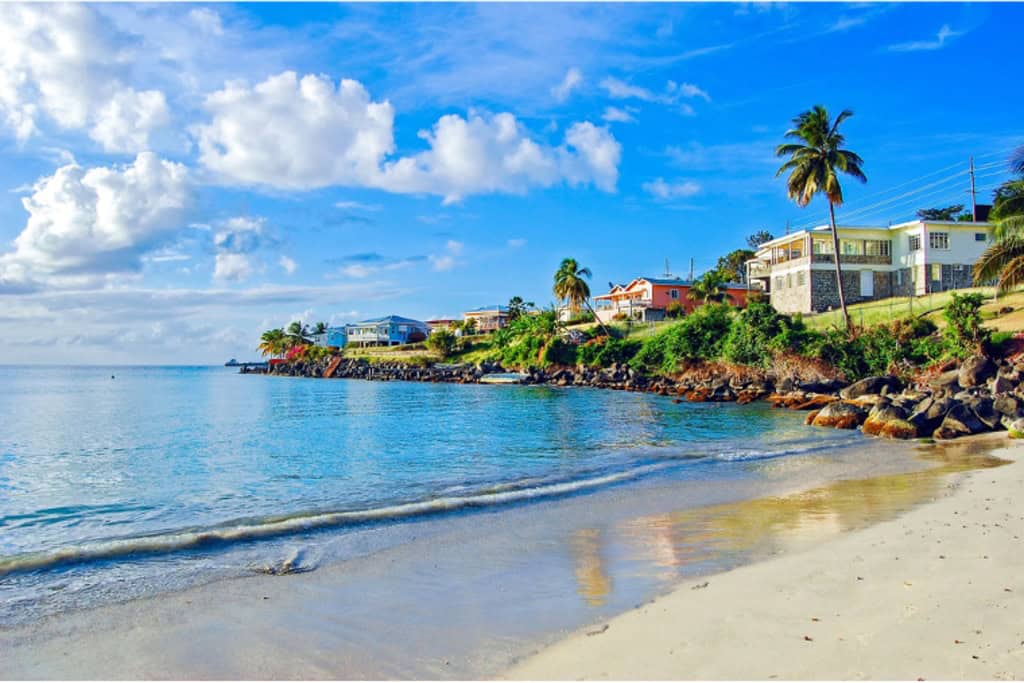
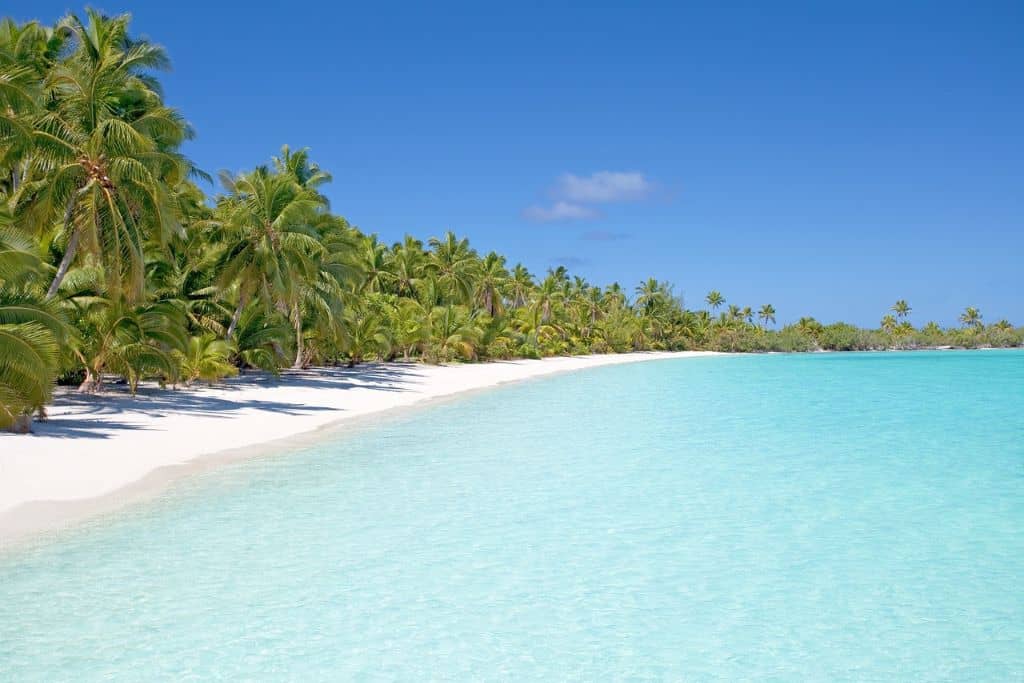
The Caribbean region is known for its natural beauty, featuring white-sand beaches, clear waters, and tropical islands. In addition to its scenic appeal, the region has developed a reputation for higher education. Several Caribbean countries are home to respected universities and institutions that provide quality programs at an affordable cost. The region offers students a combination of high-quality education, reasonable living expenses, and friendly communities.
Why Study in Caribbean?

There are many reasons to choose the Caribbean as a study destination:
International Recognition
Many universities and programs in the Caribbean are internationally accredited, ensuring that degrees earned there are recognized worldwide. This is particularly true for medical schools, which often have affiliations with U.S. and Canadian hospitals for clinical rotations.
Networking Opportunities
Studying in the Caribbean provides access to a global network of alumni who have gone on to successful careers in various fields. Many graduates from Caribbean medical schools, for example, secure residencies and jobs in the U.S., Canada, and beyond.
The close-knit nature of some Caribbean campuses also allows for strong peer relationships and mentorship opportunities.
Cultural Diversity
The Caribbean is a melting pot of cultures, languages, and traditions, offering students a rich and diverse environment that fosters personal growth. Exposure to different cultures enhances global awareness and interpersonal skills, preparing students for an increasingly interconnected world.
Students who choose to study in caribbean can experience a mix of African, European, Indian, and indigenous influences, creating a vibrant cultural tapestry.
Beautiful Natural Environment
The Caribbean islands are known for their stunning natural beauty, including pristine beaches, lush rainforests, and clear blue waters. Studying in such an environment can provide a refreshing change from urban settings and contribute to overall well-being.
Community-Oriented Learning
Many universities in the Caribbean emphasize community service and engagement, encouraging students to participate in local projects and initiatives. This fosters a sense of social responsibility and helps students develop leadership skills.
English as the Primary Language
In many Caribbean countries, English is the primary language of instruction, making it an ideal destination for students from English-speaking countries or those who are proficient in English. This eliminates language barriers and facilitates easier communication and learning.
Climate in the Caribbean
The Caribbean enjoys a warm tropical climate with two main seasons each year:
- Wet Season (May/June – November/December): Characterized by higher humidity, frequent rainfall, and the risk of hurricanes.
- Dry Season (December/January – May/June): Brings lower humidity, minimal rainfall, and cooler breezes, making it the most pleasant time for activities.
Temperatures remain consistently warm throughout the year, typically ranging from 24°C to 30°C (75°F to 86°F). Despite the wet season, the region still experiences plenty of sunshine, making it a popular destination year-round. Whether you're exploring the islands or focusing on academics, the climate enhances the experience of those who choose to study in Caribbean institutions.
Location
-
caribbean

Facts about the Caribbean
Location:
- The Caribbean is a region located in the western part of the North Atlantic Ocean, southeast of the Gulf of Mexico and the United States, east of Central America, and north of South America. It consists of an archipelago of islands, as well as coastal territories on the mainland.
Time Zone:
- UTC -4 to UTC -5
Population:
- Approximately 44 million people
Language:
- English, Spanish, French, Dutch, and various Creole languages
Capital:
- The Caribbean is a region, not a single country, so each nation has its own capital (e.g., Bridgetown for Barbados, Saint George's for Grenada)
Currency:
- Varies by country (e.g., Eastern Caribbean Dollar (XCD), Barbadian Dollar (BBD), Cuban Peso (CUP), Trinidad and Tobago Dollar (TTD), and more).
Student Life in the Caribbean

Imagine waking up to the sound of gentle waves, stepping out into a world where sunshine and smiles are abundant, and immersing yourself in a culture that celebrates life with music, and vibrant festivals. This is what student life in the Caribbean feels like a perfect blend of academic growth, cultural enrichment, and tropical relaxation.
For international students, studying in the Caribbean offers more than just classrooms and textbooks. It’s an opportunity to experience a unique way of life filled with warmth, diversity, and adventure. From joining lively campus events and exploring breathtaking landscapes to indulging in delicious local cuisine and forming lifelong friendships, every day presents a chance to create unforgettable memories. Here, learning extends beyond the lecture halls as you embrace the rhythms of island life, discover new traditions, and grow both personally and professionally. Welcome to a student journey unlike any other!
Student Housing in the Caribbean
Finding suitable accommodation is an essential part of planning your study abroad experience in the Caribbean. The region offers a variety of housing options to suit different preferences and budgets, ensuring that students can focus on their studies while enjoying a comfortable living environment.
On-Campus Housing
Many universities in the Caribbean provide on-campus or university-affiliated housing for international students. This is often the most convenient option, as it allows you to live close to classes, libraries, and other facilities.
- Dormitories/Residence Halls: These are typically shared spaces where students live in single or double rooms with communal kitchens, bathrooms, and lounges. Dorm life fosters a sense of community and makes it easier to meet fellow students.
- Apartments: Some campuses offer apartment-style living, which provides more privacy and independence. These units usually come equipped with basic furniture and appliances.
Off-Campus Rentals
For students who prefer more flexibility or want to explore local neighborhoods, renting off-campus is a great choice.
- Shared Apartments: Many students opt to share apartments or houses with roommates to split costs and enjoy companionship. This is especially common in popular student cities like Bridgetown (Barbados) or St. George's (Grenada).
- Private Rooms: If you prefer privacy, you can rent a private room in a house or apartment. This option offers a balance between affordability and personal space.
- Studio Apartments: Some students opt for studio apartments, which provide complete privacy with a self-contained living space, including a kitchen and bathroom. This option is best for those who prefer a quieter and more independent lifestyle.
Transportation in the Caribbean for International Students
Transportation options for international students in the Caribbean can vary depending on the specific island or country in which they are studying. Below is a comprehensive overview of the most common transportation methods available to international students across the region:
Public Transportation
Public transportation within each island typically includes buses, minibusses, and shared taxis. These options are affordable and widely accessible.
Buses:
Most islands have public bus systems that serve major cities and towns. While schedules may not always be strictly followed, buses are a cost-effective way to travel longer distances.
Minibuses/Shared Taxis:
Minibuses and shared taxis are common on many islands. They operate on fixed routes, are inexpensive, and can be flagged down at designated stops or along the road.
Private Taxis:
Taxis are readily available in most Caribbean countries and are ideal for short trips or when traveling with luggage. Prices can vary significantly depending on the location, so it’s advisable to agree on a fare before starting the journey. Some islands have metered taxis, while others rely on negotiated rates.
Rental Cars
Renting a car is a popular option for students seeking independence and flexibility. Driving rules and road conditions differ by island—some drive on the left, while others drive on the right.
Scooters/Motorcycles
Scooters and motorcycles are a cost-effective and convenient way to get around smaller islands. This mode of transport is particularly popular in coastal destinations. Students should wear helmets and adhere to local traffic laws.
University Shuttle Services
Some educational institutions offer shuttle services for students, especially if the campus is located outside urban centers. These services help students easily commute between campus and surrounding areas.
Sports and Recreation for International Students in the Caribbean
The Caribbean offers a vibrant sports scene and plenty of outdoor activities, making it easy for international students to stay active and explore the region's natural beauty.
Popular Sports:
- Cricket: A beloved pastime in the Caribbean, cricket brings communities together. Join university teams or casual matches to experience this cultural staple.
- Soccer (Football): Enjoy competitive games or friendly matches with fellow students.
- Basketball: Play on-campus courts or join intramural leagues.
- Water Sports: Dive into snorkeling, scuba diving, kayaking, and paddleboarding in crystal-clear waters.
Outdoor Adventures:
- Hiking: Explore scenic trails like Harrison’s Cave in Barbados or Mount St. Catherine in Grenada.
- Sailing: Set sail along the coast with university sailing clubs or local marinas.
- Beach Activities: Relax or play beach volleyball, frisbee, or soccer on pristine shores.
Submit an Inquiry
Location
-
caribbean
Higher Education in the Caribbean

Higher education in the Caribbean is characterized by a mix of local universities, regional institutions, and international campuses. Many universities in the region offer programs that cater to both domestic and international students, providing a multicultural learning environment.
The Caribbean also benefits from strong ties with North American, European, and Asian educational systems. This collaboration allows for student exchange programs, joint research initiatives, and globally recognized accreditations.
Notable Universities in the Caribbean
The Caribbean is home to several prestigious universities that provide high-quality education and global career opportunities. Among them, St. George’s University (SGU) in Grenada and the American University of Barbados (AUB) in Barbados stand out for their excellence in medical education and international recognition.
St. George’s University (SGU)
Founded in 1976, St. George’s University (SGU) is one of the most renowned medical schools in the Caribbean. SGU offers Doctor of Medicine (MD), Veterinary Medicine, Public Health, and other healthcare-related programs. With a curriculum designed to meet international medical standards, SGU has established strong affiliations with hospitals and clinical training sites in the United States, Canada, and the United Kingdom, allowing students to gain hands-on experience in top-tier medical institutions. SGU graduates frequently secure residencies in the U.S. and Canada, making it a preferred choice for aspiring doctors worldwide.
American University of Barbados (AUB)
The American University of Barbados (AUB) is another distinguished medical institution known for its innovative curriculum and strong focus on clinical training. AUB provides an MD program that follows U.S. medical education standards, ensuring that students receive comprehensive training for international medical practice. With a commitment to student-centered learning, small class sizes, and hands-on experience, AUB prepares future medical professionals for successful careers in the U.S., Canada, and other global healthcare systems. Its location in Barbados also offers students a rich cultural experience in a vibrant and welcoming environment.
Submit an Inquiry
Location
-
caribbean
Requirements to Study in Caribbean

Studying in the Caribbean requires meeting academic, administrative, and visa-related requirements. Below is a structured overview for international students.
Academic Requirements
High School Diploma or Equivalent:
Applicants must have completed secondary education with official transcripts.
Institutions may have specific grade requirements.
Standardized Test Scores (If Required):
Undergraduate degrees may require SAT, ACT, or equivalent exams.
Graduate programs may require a GRE, GMAT, or MCAT for medical studies.
English Language Requirements
Most programs are taught in English, so applicants may need to submit TOEFL, IELTS, or PTE scores. Waivers may apply for native English speakers or those who studied in English-medium institutions.
Student Visa Requirements
- Valid Passport: Must be valid for the duration of studies.
- Letter of Acceptance: Proof of enrollment from a recognized Caribbean university.
- Visa Application Form: Completed form with all supporting documents.
- Proof of Financial Support: Bank statements or sponsorship letters showing the ability to cover tuition and living expenses.
- Medical Clearance: Some countries require vaccination records or a health check.
- Criminal Record Certificate: Verification of a clean record, if required by the host country.
- Proof of Accommodation: Confirmation of university housing or a rental agreement.
- Passport-Sized Photographs: As per visa specifications.
- Application Fee: Varies by country, typically ranging from $100 to $300.
University Application Requirements

Application Form
- Submit the official university application. Studygram can assist with the entire application process, ensuring accuracy and completeness to improve your chances of acceptance.
Personal Information
- Includes full name, date of birth, contact details, and a recent passport-sized photograph.
Academic Records
- High school transcripts and diplomas showing courses and grades.
- University or college transcripts, if applying for a graduate or transfer program.
- Standardized test scores such as SAT, ACT, GRE, GMAT, or MCAT.
- English proficiency scores if applicable.
Supporting Documents
- Letters of recommendation from teachers, professors, or employers.
- Statement of purpose or essay outlining academic goals, career aspirations, and reasons for choosing the program.
- Resume or CV highlighting education, work experience, extracurricular activities, volunteer work, and achievements.
Identity and Residency Documents
- Copy of a valid passport.
- Birth certificate if required by the university.
Health and Insurance Documents
- Medical records, including proof of vaccinations if required.
- Health insurance coverage for the study duration.
Financial Documentation
- Bank statements proving financial capability to cover expenses.
- Scholarship confirmation, if applicable.
- A tuition deposit may be required upon acceptance.
Program-Specific Requirements
- Portfolio for art, design, or architecture programs.
- Audition for music, theater, or performing arts programs.
- Interview for competitive or specialized programs.
Submit an Inquiry
Location
-
caribbean
Cost of Living in the Caribbean for International Students

Studying in the Caribbean offers an exciting academic experience in a tropical setting. While the cost of living varies across different islands, the following estimates provide a general idea of what international students can expect to budget. Actual expenses may differ based on location, lifestyle, and personal preferences.
Accommodation
- On-campus housing: $300 - $800
- Off-campus apartment (1-bedroom): $500 - $1,200
- Shared housing: $400 - $900
Food and Groceries
- Monthly groceries: $200 - $500
- Dining out (mid-range restaurant, per meal): $10 - $25
- Fast food meal: $6 - $10
Transportation
- Public buses fare: around $1.5
- Taxi (short distance): $10 - $25
- Car Rental (per day): $40 - $60
Utilities & Internet
- Electricity, water, heating, cooling (per month): $80 - $200
- Internet (high-speed, per month): $50 - $120
Health Insurance
- Student health insurance (per year): $300 - $1,500
Entertainment & Miscellaneous
- Movie ticket: $8 - $15
- Gym membership: $30 - $70
- Mobile phone plan: $20 - $60
- Weekend outings and leisure activities: $50 - $150
Tuition Fees (Varies by University and Program)
- Medical schools: $6,000 - $35,000 per semester
Total Estimated Monthly Budget
- Budget-conscious students: $800 - $1,500
- Comfortable lifestyle: $1,500 - $3,000
Tips for Managing Costs
- Cook at Home: Preparing meals yourself instead of eating out frequently can save money.
- Use Public Transport: Opt for buses or shared taxis over private vehicles to reduce transportation expenses.
- Shop Locally: Purchase fresh produce and locally made products to avoid high import taxes.
- Budget Wisely: Create a monthly budget and stick to it to ensure financial stability during your stay.
Submit and Inquiry
Location
-
caribbean
FAQS
Q: Why should I consider studying in the Caribbean?
A: The Caribbean offers a unique combination of high-quality education, especially in fields like medicine. Many medical schools in the Caribbean are accredited by international bodies, making it easier for graduates to practice globally. The region provides a diverse cultural experience, beautiful natural surroundings, and a relaxed lifestyle.
Q: Are Caribbean medical schools recognized internationally?
A: Yes, many Caribbean medical schools are accredited by organizations such as the LCME (Liaison Committee on Medical Education) and recognized by countries like the United States, Canada, and the UK.
Graduates from these schools can take licensing exams such as the USMLE (United States Medical Licensing Examination) or MCCEE (Medical Council of Canada Evaluating Examination) to practice in their respective countries.
Q: What are the admission requirements for studying in the Caribbean?
Admission requirements vary depending on the program and institution but generally include:
- A high school diploma or equivalent (e.g., GED).
- Standardized test scores (e.g., MCAT for medical programs).
- English proficiency tests like TOEFL or IELTS for non-native speakers.
- Letters of recommendation, essays, and interviews may also be required for competitive programs.
Q: Can international students work part-time in the Caribbean?
A: Yes, international students can work part-time in some Caribbean countries, but the rules vary depending on the country and university policies. Here are some general guidelines:
- Barbados – Students generally cannot work while studying unless they obtain special permission from the Immigration Department.
- Grenada – Work opportunities are limited, and permits are often required.
Q: Is the Caribbean safe for international students?
A: Yes, the Caribbean is generally safe for international students, but safety levels vary by country. Many islands have welcoming communities and student-friendly environments, especially in areas with established universities.
Q: What is the climate like in the Caribbean?
A: The Caribbean has a warm tropical climate with two distinct seasons each year. The wet season (May/June to November/December) is marked by higher humidity, frequent rainfall, and hurricanes, while the dry season (December/January to May/June) brings lower humidity and little rain. Temperatures remain consistently warm, ranging from 24°C to 30°C (75°F to 86°F) year-round.
Q: Do I need a visa to study in the Caribbean?
A: Yes, most international students need a student visa to study in the Caribbean. Visa requirements vary by country, so it's essential to check with the embassy or consulate of your chosen study destination.
How much does it cost to study in the Caribbean?
- Tuition varies by program and university, but medical school diplomas are from $6,000 to $35,000 per semester.
- Living expenses are generally low, with an estimated $800–$1,500 per month for housing, food, and transportation.