Trent University’s Sustainable Livelihoods and Biodiversity Conservation Field School in Guyana
Exploring Sustainable Futures: Trent University’s Field School in Guyana
In an increasingly interconnected world, understanding the complex relationships between ecosystems, communities, and economic development is vital. Trent University in Canada is leading the way in experiential learning with its innovative Field School in Sustainable Livelihoods and Biodiversity Conservation held in the pristine rainforests of Guyana. This program offers students a unique opportunity to delve into sustainability practices through direct engagement with Indigenous communities, ecological research, and multidisciplinary approaches—all grounded in real-world experiences.
Immersive Learning in the Heart of the Guyanese Rainforest
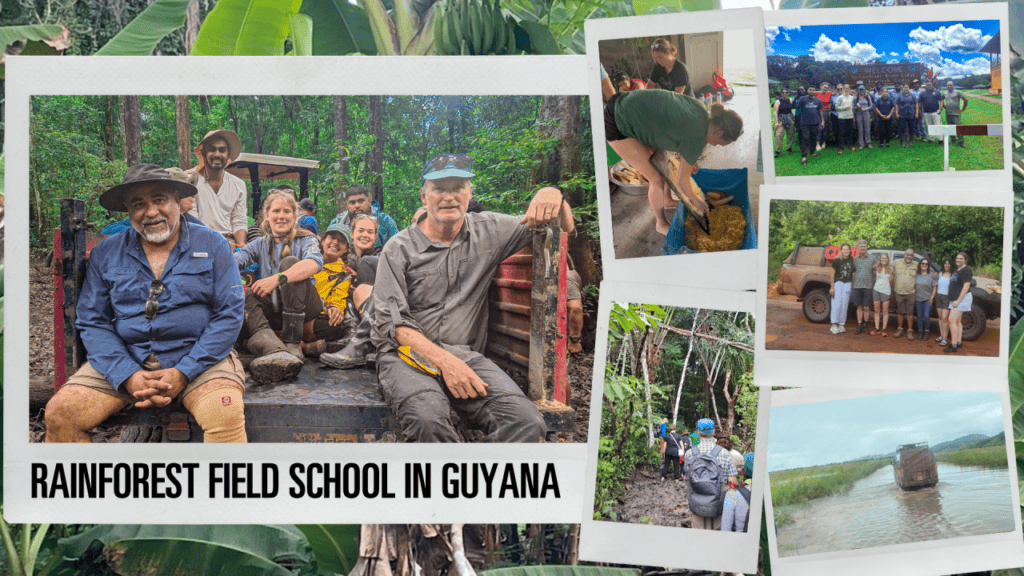
Located in Surama Village, an Indigenous Macushi community nestled among lush savannahs and mountain ranges, the field school embodies Trent University’s commitment to community-based experiential education. This immersive program bridges academic inquiry with community participation, allowing students to witness first-hand how Indigenous knowledge and sustainable practices coexist within their environment.
This partnership between Trent University and Surama Village was formalized through a Memorandum of Understanding (MOU), emphasizing the university’s dedication to global citizenship, environmental stewardship, and fostering sustainable development solutions. The program integrates multidisciplinary perspectives—from ecology and economics to social sciences and cultural studies—highlighting the interconnected nature of sustainable livelihoods.
Goals and Benefits of the Field School Program
Hands-On Engagement with Biodiversity and Ecosystems
Participants explore the extraordinary biodiversity of the Guiana Shield, one of the world’s most pristine natural regions. Students learn about rainforest ecosystems, mountain farms promoting soil conservation, and the use of plant-based medicines passed down through generations. These practical experiences deepen their understanding of conservation challenges and sustainable agricultural practices that protect ecological health while supporting local livelihoods.
Understanding Indigenous Perspectives and Traditional Knowledges
One of the program’s core strengths is its emphasis on traditional knowledge. Students engage with community elders, leaders, and farmers to learn about governance rooted in responsibility and reciprocity. Discussions cover gender roles, community health, and balancing human needs with ecological stewardship, fostering a holistic view of sustainability.
Interdisciplinary and Multicultural Approaches
The program attracts students from diverse disciplines, including environmental science, biology, economics, nursing, and sustainable agriculture. By working across disciplines, students cultivate a nuanced understanding of how ecological, social, cultural, and economic factors intertwine to shape sustainable community development.
Experiencing Community-Driven, Eco-Friendly Economies
Beyond ecological lessons, the program showcases innovative community-led enterprises such as eco-tourism and birding tours owned and operated by local residents. These models demonstrate how collaboration and community ownership can foster resilient economies aligned with ecological preservation.
Students participate in activities like visiting farms, observing biodiversity conservation efforts, and supporting eco-lodges that generate income while safeguarding natural resources—a testament to the potential of sustainable tourism and local enterprise.
Transformative Educational Outcomes
Participants leave the program with a broadened perspective on sustainability as rooted in ancestral knowledge, cultural values, and collective responsibility. Many students report a shift from viewing sustainability solely through policy frameworks to embracing a more holistic, community-centered approach.
Such experiences cultivate globally minded citizens equipped to apply innovative, culturally sensitive solutions to environmental and social challenges in their future careers, whether in policy, research, community development, or academia.
Why Students Should Consider Participating in Similar Programs
- Practical Experience: Gain hands-on understanding of biodiversity conservation and sustainable livelihoods.
- Cross-Cultural Learning: Engage directly with Indigenous communities and learn from traditional practices.
- Multidisciplinary Insight: Integrate scientific, social, economic, and cultural perspectives for holistic understanding.
- Global Perspective: Contribute to solutions for global environmental challenges rooted in local action.
- Career Advancement: Enhance your resume with real-world experience in sustainability and community engagement.
Take the Next Step Towards a Sustainable Future
Are you ready to expand your understanding and contribute to global sustainability efforts? Fill out the form to receive personalized guidance from an expert counselor on the Studygram team. You’ll get support in choosing the right program, understanding admission requirements, and navigating the entire application process. Let Studygram help you take the first step toward a rewarding academic experience at Trent University.