
Study Nursing in Poland at the University of Information Technology and Management
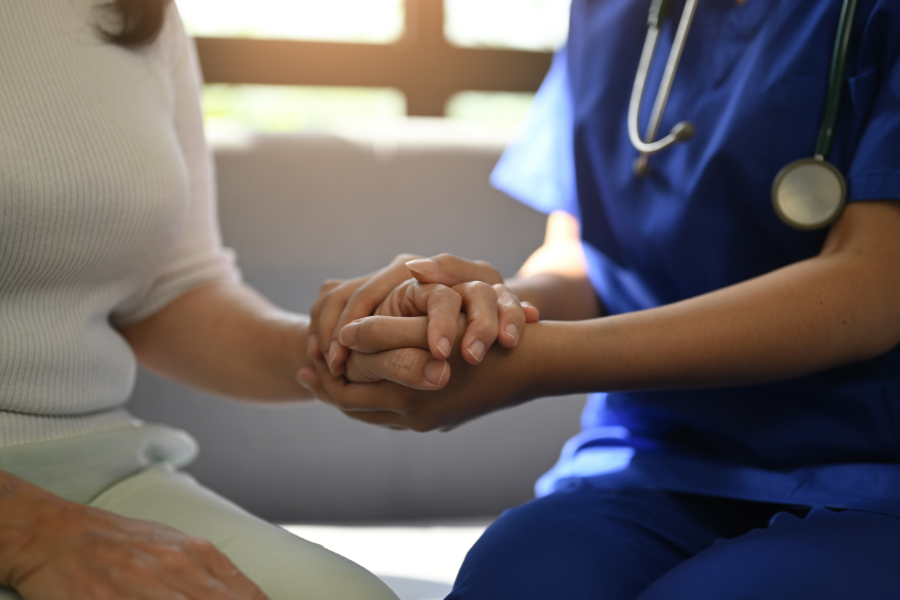
The Growing Demand for Healthcare Education in Europe
Healthcare systems across Europe are currently facing a complex set of challenges that directly impact the demand for qualified medical professionals. An ageing population, increasing chronic disease rates, and significant staffing pressures are forcing a shift in how care is delivered. There is a noticeable transition from relying solely on hospital-based treatments to integrating more community and long-term care models. For international students considering a career in this field, choosing to study in Poland provides a front-row seat to these evolving healthcare dynamics within a European framework.
Poland’s healthcare sector mirrors many of the broader trends seen across the European Union, making it an excellent environment for clinical training. Students do not just learn in a vacuum; they experience the realities of modern medical delivery, including resource management and patient care across different demographics. This exposure ensures that graduates are not only clinically capable but also adaptable to the systemic pressures of modern healthcare environments.
Pursuing healthcare education in this context means preparing for a profession where your skills will remain in high demand. The structural changes happening in European healthcare require nurses who understand both the clinical and operational sides of patient care. Submit your application today to start your academic journey in a field with guaranteed long-term relevance.
Why Choose Rzeszow for Your Medical Studies?
Location plays a critical role in the success of an international student. Rzeszow, situated in southeastern Poland, has established itself as a highly effective regional center for education and healthcare. Unlike overwhelming sprawling metropolises, Rzeszow offers a manageable scale that makes it considerably easier for international newcomers to settle into daily life, navigate the city, and access essential services without the added stress of a massive urban environment.
A Student-Friendly City with Strong Medical Infrastructure
Rzeszow boasts a substantial student population, which means the local infrastructure—from public transportation to housing and social venues—is built to accommodate young adults from diverse backgrounds. For nursing students, this is particularly important because the city hosts a variety of healthcare institutions, ranging from specialized clinics to major regional hospitals. This concentration of medical facilities ensures that students have convenient access to high-quality practical placement sites.
Furthermore, Rzeszow’s transport connections make it easy to travel across Poland and to neighboring European countries. This connectivity allows students to build a broader professional network and gain a wider perspective on healthcare systems outside their immediate academic environment. Schedule a free consultation to learn more about student life and housing options in Rzeszow.
Curriculum and Clinical Focus at UITM Rzeszow
The University of Information Technology and Management (UITM) offers a structured, full-time, six-semester Nursing programme designed to balance rigorous academic theory with hands-on clinical practice. The curriculum is carefully sequenced to ensure students build a strong foundational understanding of human biology and pathology before moving into specialized clinical fields.
Core Subjects and Theoretical Foundations
Students at UITM Rzeszow are required to master a broad spectrum of medical subjects. The coursework covers internal medicine, surgery, emergency care, geriatrics, paediatrics, psychiatry, neurology, and obstetric-gynaecological nursing. This wide-ranging approach ensures that graduates are not limited to a single medical niche. Instead, they possess the versatile knowledge base required to handle diverse patient presentations, which is a critical asset in emergency departments, general wards, and specialized clinics alike.
The theoretical instruction goes beyond memorizing anatomical terms. Students analyze how illnesses develop and progress, and more importantly, how that theoretical knowledge directly dictates everyday nursing decisions. Understanding the “why” behind a medical intervention is what separates competent nurses from exceptional ones.
The Role of Professional Placements
The defining characteristic of Nursing in Poland at UITM is its heavy emphasis on practical application. Working in specialized laboratories and completing professional placements in local healthcare facilities allows students to translate textbook knowledge into physical skills. During these placements, students develop the precise habits necessary for safe, effective patient care.
Key practical competencies include strict attention to detail, rigorous infection prevention protocols, effective teamwork within multidisciplinary medical teams, and accurate patient documentation. These are not soft skills; they are regulatory and safety requirements that must become second nature. The clinical supervisors at UITM focus intensely on ensuring students internalize these practices early in their education. Explore our related articles for further reading on clinical training methodologies.
Building Cultural Competence in the Classroom
Modern healthcare is inherently multicultural. Nurses routinely care for patients from various cultural, religious, and linguistic backgrounds. Misunderstandings in these areas can lead to poor patient outcomes, decreased patient satisfaction, and increased medical errors. Recognizing this reality, UITM cultivates an international academic environment.
By studying alongside peers from different countries, nursing students at UITM naturally develop cultural awareness and professional communication skills. Group projects, clinical simulations, and daily interactions challenge students to consider diverse perspectives on health, illness, and bodily autonomy. This environment acts as a microcosm of the modern hospital ward, effectively preparing students to communicate empathetically and effectively with patients who may not share their native language or cultural norms.
Navigating Professional Recognition After Graduation
One of the most critical considerations for international students is what happens after graduation. Nursing is a strictly regulated profession in Poland and throughout the European Union. A degree alone does not automatically grant the right to practice; graduates must navigate the professional registration process dictated by the relevant national or regional health authorities.
This process typically involves the verification of academic qualifications, detailed evidence of completed clinical training hours, and proof of language competence. The specific requirements can vary significantly depending on whether a graduate intends to stay in Poland, return to their home country, or move to another EU member state such as Germany or Sweden.
Students are strongly advised to research these regulatory requirements early in their studies, ideally during their first or second semester. Knowing the exact criteria for the country where you intend to build your career allows you to tailor your elective courses, language studies, and clinical placement preferences accordingly. Viewing these regulatory hurdles as part of your professional preparation—rather than an afterthought—will save considerable time and stress upon graduation. Have questions? Write to us! for specific guidance on international nursing recognition processes.
Final Considerations for Aspiring Nurses
Choosing to pursue a degree in this field requires a clear understanding of the profession’s demands. Nursing carries a high level of personal and professional responsibility. It requires individuals who are prepared for intensive study, the emotional rigors of clinical practice, and a commitment to continuous, lifelong learning. Medical knowledge and best practices evolve rapidly, and a successful nurse must be willing to adapt continually.
However, the return on this investment is substantial. Nursing provides graduates with the opportunity to work in a sector defined by genuine social value. The skills learned are highly transferable, meaning that even if you choose to leave clinical practice later in your career, the foundational knowledge in biology, psychology, and healthcare management remains highly applicable in administrative, educational, or corporate health roles.
Opting to study at the University of Information Technology and Management in Rzeszow combines rigorous academic learning, extensive practical education, and meaningful international experience. For students seeking a healthcare profession with diverse career routes and strong long-term stability, this programme provides a solid, realistic foundation for the future. Submit your application today to secure your place in the upcoming semester and begin building a reliable career in healthcare.
Share your experiences in the comments below if you have previously studied or worked in the Polish healthcare system.