Pursue International Studies: How Alte University Prepares Georgia Students for the University of Bologna
Transitioning from Georgian Universities to Global Institutions
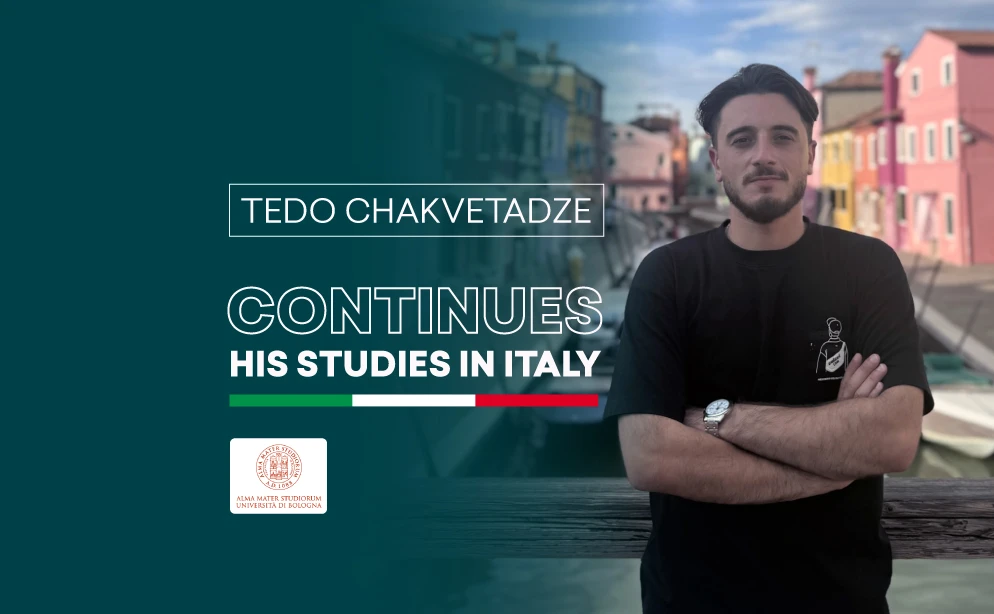
For students in Georgia, completing an undergraduate degree is increasingly viewed as a stepping stone to global academic opportunities. The transition from a local institution to a highly ranked international university requires more than just good grades; it demands a strategic approach to education, practical experience, and a clear understanding of global academic standards. The recent academic trajectory of Tedo Chakvetadze provides a clear, actionable blueprint for current students aiming to replicate this success. By examining how an Alte University graduate successfully navigated the complex application and preparation process to study at the University of Bologna, prospective students can better understand what it takes to compete on an international level.
Studying abroad, particularly in Western Europe, requires a robust academic foundation combined with real-world experience. European universities place a heavy emphasis on a student’s ability to apply theoretical concepts to practical scenarios. For students in Georgia, this means that the habits formed during their bachelor’s or master’s degrees—specifically how they engage with internships, student organizations, and extracurricular projects—will directly impact their viability as candidates for elite programs. Schedule a free consultation to learn more about how to structure your academic journey for international success.
The Academic Journey of Tedo Chakvetadze
Tedo Chakvetadze is a graduate of the School of Law and Social Sciences at Alte University. His academic focus within the realm of international studies equipped him with a critical understanding of legal frameworks, social dynamics, and geopolitical realities. However, his success was not solely the result of attending lectures and passing exams. During his time at Alte University, Tedo actively integrated himself into the broader university ecosystem. He recognized early on that a degree in law and social sciences requires a nuanced understanding of how theories operate in practice, prompting him to seek out opportunities beyond the standard curriculum.
His proactive approach demonstrates a key strategy for aspiring international students: maximizing the resources available at your current institution before looking outward. By treating his time in Georgia as a period of active preparation rather than just a requirement to fulfill, Tedo built a profile that stood out to admissions committees at the University of Bologna.
Apply Theoretical Knowledge Through Internships
One of the most critical components of Tedo’s preparation was his completion of an internship at Alte University’s School of Law and Social Sciences. As Tedo himself noted, this internship provided him with the opportunity to put theoretical knowledge into practice and build invaluable work experience. In the field of international studies, theoretical knowledge alone is rarely sufficient to secure admission to top-tier master’s programs or to build a successful career.
Internships serve multiple purposes in the context of international academic applications. First, they provide tangible evidence of a student’s ability to handle professional responsibilities. Second, they generate concrete examples that students can use in their application essays and interviews to demonstrate their competence. Third, they often yield professional references and letters of recommendation from supervisors who can attest to a student’s practical abilities, not just their academic performance.
For students currently enrolled in Georgian universities, seeking out internships should be a primary objective. Whether the internship is within the university itself, at a local law firm, a non-governmental organization, or a governmental agency, the experience gained is directly transferable to international contexts. Admissions committees at institutions like the University of Bologna look favorably upon candidates who can bridge the gap between classroom learning and workplace application. Submit your application today to begin your journey toward practical, hands-on academic preparation.
Navigating International Studies at the University of Bologna
The University of Bologna holds the distinction of being the oldest university in the Western world, and it maintains a rigorous standard of academic excellence, particularly in the fields of law, political science, and international studies. Gaining admission to this institution from Georgia requires a highly competitive profile. The university seeks students who are not only academically capable but also culturally adaptable and professionally driven.
When a student from Georgia applies to the University of Bologna, they are competing against candidates from across Europe and the rest of the world. The differentiating factor often comes down to practical experience and the ability to articulate a clear, reasoned academic and professional trajectory. Tedo’s ability to leverage his internship experience and active participation in student life at Alte University provided him with the narrative necessary to convince the Bologna admissions committee of his readiness for advanced international studies.
Furthermore, studying in Italy requires a specific set of administrative and logistical preparations, including the recognition of Georgian academic credentials, language proficiency certifications, and visa applications. Students must begin these processes early and utilize their home university’s administrative support to ensure a smooth transition.
Maximize University Resources for Global Success
Alte University provides a variety of resources designed to support student development and facilitate international mobility. Tedo’s success is a direct reflection of a student utilizing these resources to their fullest potential. Modern universities offer much more than just degree programs; they function as hubs for career development, international networking, and skill acquisition.
Participate in Exchange Programs and Projects
Tedo explicitly advises current students to get involved in exchange programs, international projects, and internships. Exchange programs, such as Erasmus+ or bilateral agreements between Georgian and European universities, allow students to experience the academic environment of a foreign country for a semester or a full year. This short-term experience serves as an excellent trial run for students considering a full degree abroad. It helps them adapt to different teaching methodologies, improve language skills, and build a network of international contacts.
Even if a full exchange is not feasible, participating in internationally focused projects at your home university can yield similar benefits. These projects often involve collaborating with students from other countries, conducting cross-cultural research, and presenting findings in a multinational context. Have questions? Write to us! for guidance on finding the right international projects for your specific academic goals.
Engage with Career Development Services
Universities maintain dedicated career development offices tasked with helping students identify internship opportunities, refine their resumes, and prepare for interviews. Engaging with these services early in your academic career is essential. A career advisor can help you align your internship choices with your long-term goal of studying abroad, ensuring that the experience you gain is highly relevant to the master’s programs you plan to apply for. They can also assist in translating your local Georgian experience into a format that resonates with international admissions committees.
Strategic Steps for Students Planning to Study Abroad
Building a profile that attracts the attention of elite international institutions requires a multi-year strategy. Students cannot wait until their final semester to begin preparing for life after graduation. The following steps provide a structured approach to maximizing your time in Georgia before applying abroad:
1. Identify Target Institutions Early: Research the specific requirements of the universities you wish to attend. If the University of Bologna is your goal, understand the prerequisites for their international studies programs, including required undergraduate coursework, language scores, and application deadlines.
2. Seek Out Relevant Internships: Do not accept an internship simply to have one on your resume. Choose internships that directly relate to your field of study. For law and social sciences, this might mean working at a human rights organization, a legal aid clinic, or a policy think tank.
3. Build a Professional Network: Attend academic conferences, seminars, and guest lectures. Introduce yourself to professors and visiting scholars. A strong recommendation letter from a respected academic who knows you well can be the deciding factor in a competitive admissions process.
4. Develop Language and Cross-Cultural Skills: While many international programs are offered in English, having a working knowledge of the local language of your target country—in this case, Italian—provides a significant advantage, both in the application process and in daily life abroad.
The Long-Term Value of a Diverse Education
The decision to pursue international studies is not just about earning a degree; it is about cultivating a diverse professional identity. By studying in Georgia and then advancing to an institution like the University of Bologna, students develop a dual perspective. They understand the legal, social, and economic frameworks of their home country while simultaneously mastering the broader European and international paradigms.
This dual perspective is highly valued by employers in the field of international relations,跨国 corporations, non-governmental organizations, and governmental bodies. Professionals who can navigate multiple legal and cultural systems are equipped to manage complex, cross-border issues that single-jurisdiction graduates cannot. Tedo’s transition from Alte University to Italy exemplifies how a geographically diverse education builds a uniquely competitive professional profile.
Conclusion: Chart Your Path in International Studies
The academic accomplishments of Tedo Chakvetadze illustrate a clear and replicable path for students in Georgia. By prioritizing practical internships, actively participating in university life, and strategically utilizing institutional resources, students can build the strong, competitive profiles required by elite international institutions like the University of Bologna. Success in international studies requires deliberate action, forward planning, and a commitment to applying classroom theories to real-world environments.
Alte University congratulates Tedo on his continued success on the international stage and remains committed to providing current students with the tools, guidance, and opportunities necessary to follow similar paths. Take control of your academic future by seeking out every available resource, engaging with practical experiences, and setting clear, actionable goals for your international career. Explore our related articles for further reading on how to successfully navigate the international application process.