Evaluate Nursing Education and Scientific Cooperation at the University of Information Technology and Management in Poland
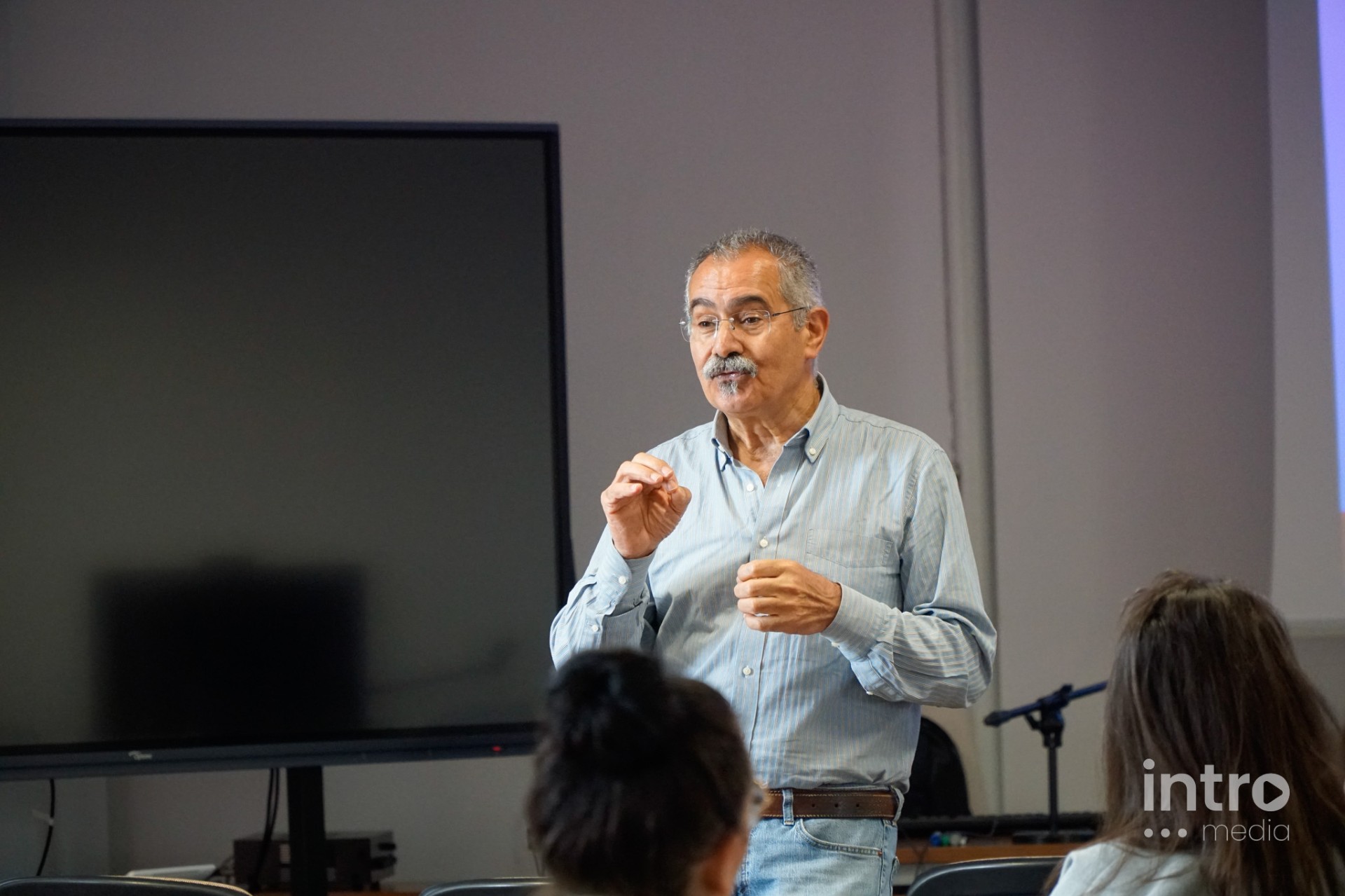
Healthcare systems across the globe face increasingly complex challenges, requiring a workforce capable of adapting to new research, diverse patient populations, and evolving clinical standards. For academic institutions, preparing this workforce demands more than localized instruction; it requires active participation in global knowledge networks. The University of Information Technology and Management in Poland, specifically through its College of Medical Sciences, demonstrates this approach by prioritizing cross-border collaboration. A recent visit by Professor Luís Graça, Director of Nursing at the School of Health in Portugal, highlights how strategic partnerships elevate the quality of nursing education and foster long-term scientific cooperation.
Submit your application today to join a forward-thinking medical faculty that values global academic perspectives.
Examine the Role of International Academic Exchange in Modern Nursing Programs
International academic exchange serves as a fundamental mechanism for standardizing and improving healthcare education. When faculty members and researchers cross borders to share their expertise, they bring varied clinical experiences, distinct pedagogical frameworks, and alternative approaches to patient care. For students, exposure to international experts bridges the gap between theoretical classroom knowledge and real-world, globalized clinical practice.
At the University of Information Technology and Management in Poland, integrating international visiting professors into the academic calendar is a deliberate strategy. By hosting experts like Professor Graça, the university ensures that students in both Polish- and English-language nursing tracks receive a comprehensive education that reflects broader European and global healthcare standards. This exchange is not merely a formality; it is a structured effort to expose future nurses to different healthcare models, ultimately making them more adaptable and competent practitioners.
Integrate Evidence-Based Practice into Nursing Curricula
During his visit to the University of Information Technology and Management, Professor Graça delivered a specialized lecture as part of the 10th Scientific Seminar of the College of Medical Sciences. The lecture, titled “Quantitative Research in Health,” focused heavily on the integration of Evidence-Based Practice (EBP) into daily nursing routines. Understanding and utilizing quantitative research is what separates modern, highly effective healthcare systems from outdated models reliant solely on tradition.
Understand What Evidence-Based Practice Means for Patient Care
Evidence-Based Practice is a systematic approach to clinical decision-making that integrates the best available research evidence with clinical expertise and patient values. In the context of nursing education, teaching EBP requires students to develop strong analytical skills. They must learn to read, interpret, and apply findings from quantitative health research to improve patient outcomes.
Professor Graça’s emphasis on this topic provided students with a clear framework for evaluating clinical data. Rather than relying on anecdotal experience, nurses trained in EBP learn to question existing protocols and seek out statistical validation for their interventions. By bringing this specific focus to the University of Information Technology and Management in Poland, the faculty reinforced its commitment to producing graduates who are not just skilled caregivers, but critical thinkers capable of contributing to the scientific advancement of their profession.
Compare Global Nursing Careers Through Expert Insight
Academic learning must be complemented by practical, career-oriented guidance. Beyond the technical lecture on research methodologies, Professor Graça conducted a Master Class entitled “The Portuguese Nursing Career and Clinical Practice in Portugal.” Sessions like this provide immediate, tangible value to students who are mapping out their professional futures.
Healthcare regulatory frameworks, career progression timelines, and day-to-day clinical responsibilities vary significantly across European nations. During the Master Class, students had the opportunity to ask direct questions about how nursing is structured in Portugal. Professor Graça, whose primary research areas include pediatric nursing and health promotion, shared insights into specialization routes and the realities of clinical practice in the Portuguese healthcare system.
This type of exposure is critical for students considering international mobility after graduation. Understanding the differences in nursing education requirements and clinical expectations between Poland and other European countries allows students to make informed decisions about where to pursue advanced degrees, seek employment, or participate in exchange programs like Erasmus+.
Build Scientific Cooperation Between Institutions
While student-facing events are highly visible, the foundational work of international academic exchange often happens behind closed doors. During the visit, Professor Graça held numerous meetings with the staff of the Department of Nursing and the authorities of the College of Medical Sciences. These working sessions focused on curriculum development, the structuring of international education modules, and the identification of joint research opportunities.
Scientific cooperation between institutions requires careful alignment. Faculty members must compare their respective syllabi to identify gaps, share best practices in clinical training, and establish mutual goals for future research projects. The University of Information Technology and Management in Poland utilizes these bilateral meetings to ensure its programs remain competitive and aligned with European standards. By fostering a continuous dialogue with partner institutions like the School of Health in Portugal, UITM builds a sustainable network of scientific cooperation that benefits faculty researchers and students alike.
Participate in Blended Intensive Programmes in Healthcare
The impact of Professor Graça’s visit extends beyond his time on campus. True academic partnerships are characterized by reciprocal engagement. From May 4 to 8, a delegation from the Department of Nursing of the College of Medical Sciences will travel to the Instituto Politécnico de Viana do Castelo in Portugal for a return visit. This delegation will participate in a Blended Intensive Programme (BIP) training titled “Intercultural Practices: Embracing Diversity in Healthcare.”
Blended Intensive Programmes represent a modern approach to Erasmus+ mobility, combining short-term physical mobility with online learning components. The focus on intercultural practices is particularly relevant in contemporary healthcare. As societies become more diverse, nurses must possess the cultural competence necessary to provide equitable care to patients from various backgrounds. Training that specifically addresses diversity in healthcare equips participants with the communication skills and cultural sensitivity required to navigate complex social dynamics in clinical settings.
This reciprocal exchange ensures that the faculty members of the University of Information Technology and Management bring back fresh perspectives to their classrooms in Poland, further enriching the educational experience for future cohorts of nursing students.
Select the Right Environment for Nursing Studies in Poland
For prospective students evaluating their options for nursing education, the depth of an institution’s international network is a strong indicator of program quality. Studying nursing at a university that actively participates in alliances like the SunRise Alliance—and routinely hosts international experts for seminars and master classes—provides a distinct advantage.
Poland has become an increasingly attractive destination for medical and healthcare studies due to its modern facilities, rigorous academic standards, and central location in Europe. The University of Information Technology and Management in Poland stands out by offering nursing programs in both Polish and English, catering to a diverse student body. The university’s emphasis on research, evidence-based practice, and international cooperation ensures that graduates are prepared to enter the workforce with a competitive, globally minded skill set.
Schedule a free consultation to learn more about the nursing programs, admission requirements, and international opportunities available at UITM.
Plan Your Academic Future in Healthcare
The recent academic exchange at the University of Information Technology and Management illustrates the tangible benefits of a globally connected institution. From mastering quantitative research in health to understanding diverse clinical practices in Portugal, the integration of international expertise directly enhances student learning. As healthcare continues to evolve, institutions that prioritize scientific cooperation and cross-cultural academic exchange will produce the leaders necessary to navigate the future of medicine.
Share your experiences in the comments below if you have participated in international academic exchanges or Blended Intensive Programmes during your studies.
Explore our related articles for further reading on career opportunities and academic programs in the medical sciences.