
Clear Frameworks Needed to Combat Racism in South Australian Schools
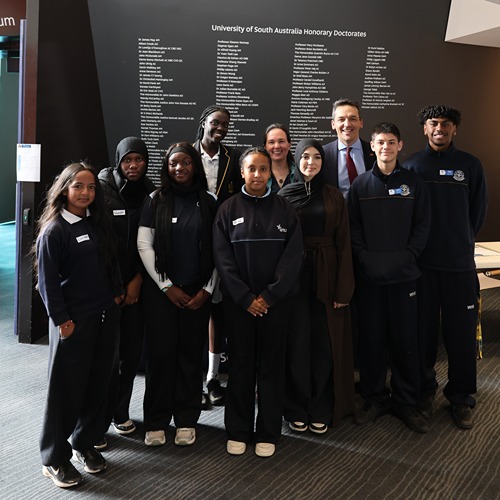
In South Australia, schools are increasingly recognised as frontline environments where students encounter racism. Recent findings from a two‑year project led by Associate Professor Melanie Baak at the University of South Australia highlight that clear, evidence‑based frameworks are essential to creating safer, more inclusive learning communities. The research demonstrates how structured policies, coordinated action, and sustained evaluation can reduce the frequency of racist incidents, boost student well‑being, and strengthen belonging.
Why Schools Must Act Now
Racism is no longer a peripheral issue; it is woven into the daily experiences of many students. In the research site school, 80 % of pupils reported witnessing or experiencing racism more than once in the past year, with almost half encountering it weekly and one in four facing it daily. These numbers directly correlate with lower perceptions of belonging and poorer mental‑health outcomes.
Australia’s education workforce and policy makers are therefore faced with a clear imperative: embed anti‑racism into the fabric of every classroom, hallway, and administration office. Without a shared language, expectations, and accountability, initiatives risk becoming fragmented and ineffective.
The Case for System‑Wide Frameworks
Evidence‑Based Guidance
Professor Baak’s research underlines the value of a coordinated approach that offers schools explicit expectations, reporting mechanisms, and supportive resources. Frameworks provide:
- A common definition of racism that educates staff and students alike.
- Clear reporting processes that empower witnesses and victims.
- Restorative practices that focus on healing for all parties involved.
- Professional development that equips teachers to manage and de‑escalate incidents.
- Data collection tools that track incidents and evaluate progress over time.
Coalition for Anti‑Racism in Education (CARE)
The study’s partnership with the CARE network—consisting of more than ten schools across South Australia—showcased how collective action amplifies impact. By sharing resources, lessons learned, and comparative data, these schools demonstrated that an inclusive culture is nurtured through shared commitment, not isolated effort.
Key Findings from the Two‑Year Study
- Implementing a school‑wide anti‑racism policy reduced the incidence of reported racism by 7 % after one year.
- Positive perceptions of school climate increased by 6 %, and students expressing a high sense of belonging rose by 11 %.
- Younger students reported improved confidence in speaking out against racism.
- Staff reported better preparedness to respond to incidents and an increased sense of collective responsibility.
Reporting and Response Enhancements
Prior to the policy, the research school lacked a formal process to document and address racist behaviour. The new framework introduced a reporting portal, a dedicated response team, and a restorative conversation model that centres the experience of the person who has been targeted. This shift has led to higher trust in the system and a measurable decrease in repeat incidents.
Implementing an Anti‑Racism Framework in Your School
Step 1: Establish a Dedicated Team
Form a cross‑departmental anti‑racism working group that includes teachers, pastoral staff, supervisors, and student representatives. This team will:
- Draft the school’s policy and code of conduct.
- Design reporting mechanisms accessible to all school members.
- Coordinate training sessions and reflective workshops.
Step 2: Define Clear Policies and Procedures
Your policy should cover:
- A precise definition of racism, including behavioural indicators.
- Mandatory reporting steps for any incident.
- Procedions for restorative dialogue.
- Consequential measures that are consistent and proportionate.
Step 3: Embed Anti‑Racist Content into Curriculum
Integrate discussions on cultural heritage, systemic bias, and student-led celebratory events. Example modules:
- “Understanding Systemic Racism” for Year 7‑9.
- “Celebrating Cultural Diversity” as part of the social studies curriculum.
- Peer‑mentoring initiatives that pair students from different backgrounds.
Step 4: Provide Ongoing Professional Development
Schedule regular workshops covering:
- Trauma‑informed practice.
- Facilitating restorative conversations.
- Building cultural competence across lesson delivery.
- Data‑driven response strategies.
Step 5: Monitor, Evaluate, and Iterate
Use a consistent data‑collection system to record incidents, outcomes, and student feedback. Review the data quarterly to determine what is working and where adjustments are needed.
Success Stories Beyond the Research Site
Schools that have adopted similar frameworks report significant cultural shifts. For instance, a suburban high school in Adelaide observed a 12 % drop in racially motivated conflicts after rolling out a mandatory anti‑racism training program for all staff and a peer‑support network for students. Teachers noted increased classroom engagement, while parents highlighted a noticeable improvement in school climate.
Future Directions and Recommendations
1. State‑Level Policy – While New South Wales and Victoria already have robust anti‑racism policies, South Australia should commission a statewide framework to ensure consistency across all schools.
2. Dedicated Expertise – Establish a department of anti‑racism within the Department for Education that offers specialist support to schools in policy development and incident response.
3. Long‑Term Evaluation – Commit to longitudinal studies that track the impact of anti‑racism initiatives on academic outcomes, attendance, and school completion rates.
Take Action Today
- Download the full research report to understand the detailed findings and recommendations.
- Contact your local education authority to explore available resources and support for implementing an anti‑racism framework.
- Schedule a professional development session for your teachers on restorative practices and cultural competence.
- Engage students in creating an annual multicultural celebration that builds pride and connection.
- Share your school’s progress with the CARE network to contribute to a statewide knowledge base.
By embedding clear frameworks, schools in South Australia can transform the learning environment, ensuring every student feels seen, respected, and motivated to succeed.