
Boys Don’t Cry? How Picture Books Shape Children’s Views on Pain and Gender
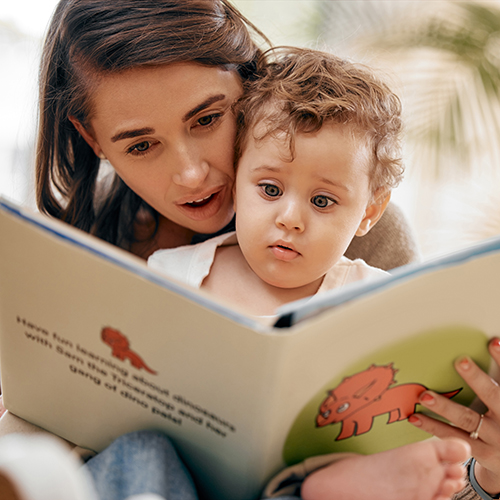
Picture books are more than bedtime stories—they are early lessons in empathy, resilience, and social roles. Recent research from the University of South Australia shows that many popular titles reinforce gendered expectations about pain and caring, which can influence how boys and girls perceive and react to injury.
How Pain Is Portrayed in Children’s Literature
In a quantitative analysis of hundreds of picture books, it was found that about one in five stories features a character experiencing pain—folding a nose from a scraped knee, brushing away a bruise, or falling from a swing. While the injuries themselves are relatable, the narrative arcs that follow diverge sharply along gender lines.
Boys—The Stalwart Sufferers
- Over half (53%) of the painful moments involve a boy character.
- When hurt, boys are more likely to brush it off, showing resilience or stubbornness.
- Support from other characters tends to be instructional or problem‑solving—pushing a patch, suggesting a distraction.
Girls—The Sensitive Caretakers
- Only 29% of injuries involve a girl.
- Girls are >70% more likely to cry in response to pain.
- Other characters frequently offer emotional comfort—a hug, a quiet spot, or a soothing word.
Notably, the study also highlighted a scarcity of prosocial responses. Only about a quarter of stories show a character actively helping another hurt child, and when help does occur it is more often a physical act (e.g., wiping a wound) rather than providing emotional support. This pattern is reinforced by the fact that 60% of characters were passive observers—simply watching the hurt play out—while only 28% engaged.
The Ripple Effect of Stereotypical Narratives
When children repeatedly encounter these scripts, they internalize them. Boys embedded with stoic models may be more inclined to hide pain, potentially leading to untreated injuries or mental health risks later in life. Girls, on the other hand, may feel pressure to be the perpetual caregiver, assuming empathy is a gendered duty.
Dr. Sarah Wallwork, lead researcher, emphasizes that shunning these stories can accidentally limit children’s understanding of what help looks like. By exposing them only to one form of response—physical aid for boys, emotional comfort for girls—education inadvertently preserves narrow social roles.
Redefining Empathy Through Shared Reading
Shared reading provides a conversational platform for parents and teachers to explore these themes. Rather than passively absorbing the story, the reader can:
- Ask clarifying questions—”How do you think that character feels?”.
- Encourage alternative solutions—”What else could they do?”
to help the hurt child. - Explore feelings—”What would you do if you saw someone hurting?”
Dur-E-Nayab Mehar, co‑researcher, suggests that reading a story can be an invitation to challenge the status quo. When a boy’s injury is described without emotional reaction, the reader can interject, “It’s okay to feel sad or nervous,” opening a dialogue about healthy expression across genders.
Practical Steps for Parents and Educators
1. Curate Balanced Story Selections
- Look for books that present both physical and emotional support.
- Seek stories where all characters help, regardless of gender.
- Incorporate titles featuring diverse protagonists—different ethnicities, body types, and abilities—to broaden empathy.
2. Facilitate Reflective Dialogue
- After reading, prompt questions that explicitly reference gender roles—”Did anyone feel the need to stay strong?”.
- Encourage children to suggest new story endings where characters help each other in unexpected ways.
3. Model Inclusive Caregivers
- Show both boys and girls in caregiving roles—e.g., a father soothing a child, a brother offering a tissue.
- Use real-life examples—“When I sprained my ankle, my friend held my hand and helped me get to the nurse.”
4. Build an Empathy Toolkit
- Provide simple phrases children can use to offer support: “I’m here for you”, “Would you like help?”, “It’s okay to cry”.
- Introduce games that practice comforting skills—role‑play “teacher helping a student draw after a fall”, “friend offering snacks after a scraped knee”.
Beyond the Books: Creating an Inclusive Healing Environment
Schools and libraries can host adventure reading sessions where children pick a story and then act it out. This active engagement promotes empathy, gives the opportunity to practice both physical and emotional support, and discourages passive bystanding.
Some schools have begun cataloguing picture books by themes—pain, help, resilience—to guide teachers and parents. If your local library offers a similar initiative, get involved. Volunteer to lead reading circles focused on learning to respond to pain constructively, regardless of gender.
Final Thoughts
Children’s books wield immense influence in shaping early social schemas. Recognizing that literature can either reinforce harmful stereotypes or open doors to inclusive empathy is the first step toward change. Parents, teachers, and caregivers play a pivotal role in selecting narratives and framing conversations that emphasize shared humanity over gender.