Alte University Georgia Advances Student Research Through Sustainable Development Goals Conference
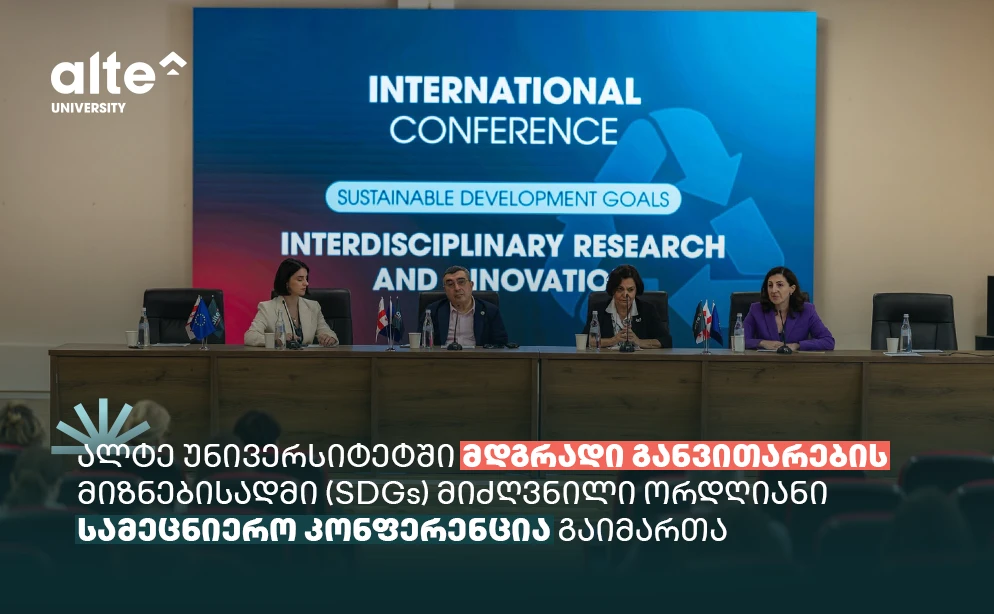
Addressing global challenges requires coordinated efforts across borders, disciplines, and academic institutions. Recently, Alte University in Georgia took a concrete step in this direction by hosting a comprehensive international scientific conference focused on the United Nations Sustainable Development Goals (SDGs). Held over two days, this event gathered students, academics, and industry professionals to examine critical sustainability issues, share research findings, and develop actionable solutions. For prospective students and researchers looking to engage with global issues, understanding the structure and outcomes of this conference provides a clear window into the academic culture at Alte University. Schedule a free consultation to learn more about how you can participate in similar initiatives.
The Role of Higher Education in Achieving the Sustainable Development Goals
Universities serve as essential hubs for innovation, research, and policy development. When higher education institutions align their curricula and research priorities with the Sustainable Development Goals, they directly contribute to global efforts to eradicate poverty, protect the planet, and ensure peace and prosperity. In Georgia, the integration of these global goals into local academic discourse is crucial for regional development.
Alte University has positioned itself as an active participant in this global framework. By organizing an international scientific conference dedicated entirely to the SDGs, the institution demonstrates that academic research extends far beyond the classroom. It shows a commitment to fostering a generation of graduates who are not only academically proficient but also deeply aware of their social and environmental responsibilities. The conference provided a structured environment where theoretical knowledge met practical application, a necessary combination for tackling complex global challenges.
Structure and Highlights of the Alte University International Conference
To maximize engagement and ensure relevant discussions for all attendees, the organizers structured the international conference into two distinct days. This strategic separation allowed the event to cater specifically to the different needs and expertise levels of academics versus students, ensuring that both groups received maximum value from the sessions.
Day One: Interdisciplinary Research and Innovation
The first day of the conference was titled “Sustainable Development Goals: Interdisciplinary Research and Innovation.” This segment was tailored for academics, researchers, and industry professionals. The focus was on high-level discussions regarding the mechanisms required to achieve the SDGs. Presenters examined existing research, identified gaps in current sustainability practices, and proposed innovative frameworks for progress. By bringing together established experts, the first day set a strong foundational tone for the event, emphasizing the rigor required in scientific research related to sustainability.
Day Two: Fostering Student Research and Innovation
The second day shifted the spotlight directly to emerging scholars with the theme “Sustainable Development Goals: Student Research and Innovation.” This segment highlighted the importance of student research in driving new perspectives and fresh solutions. Participants from Alte University, as well as from other Georgian and international universities, presented their findings. Providing a platform for students to present at an international conference is a critical step in their academic development, offering them early experience in public speaking, peer review, and academic networking.
Key Themes Explored During the Event
The breadth of the Sustainable Development Goals requires a multifaceted approach to research. The presentations and thematic sessions at the Alte University conference covered a wide array of critical topics, reflecting the interdisciplinary nature of the SDGs.
Health, Education, and Social Justice
Several sessions focused on the foundational elements of human development, specifically health and well-being (SDG 3) and quality education (SDG 4). Researchers discussed innovative approaches to public health challenges and the role of inclusive education in building sustainable societies. Furthermore, the theme of social justice was heavily integrated into these discussions, examining how equitable access to resources and opportunities is a prerequisite for achieving long-term sustainability.
Technology, Law, and Sustainable Economy
Another critical track explored the intersection of technology, law, and economics. Presenters investigated how technological advancements can be leveraged to build sustainable infrastructure and foster innovation (SDG 9). Simultaneously, legal and governance frameworks were analyzed to understand how policy can either hinder or accelerate sustainable economic growth (SDG 8). This track demonstrated to attendees that technological solutions must be supported by robust legal structures to be effective at scale.
Environmental Protection and Climate Action
Given the urgent nature of the global climate crisis, environmental protection and climate action (SDG 13) were prominent themes throughout the two-day event. Students and academics presented research on local and regional environmental challenges in Georgia and the broader Caucasus region. Discussions ranged from conservation strategies to the economic impacts of climate change, emphasizing that environmental sustainability is inextricably linked to economic and social stability.
From Workshop to Global Stage: The SDG Solutions Competition
A defining feature of the conference was the inclusion of an interactive workshop titled “SDG Solutions – Idea Generation Workshop.” Rather than passively listening to presentations, participants actively collaborated to develop innovative solutions aligned with the Sustainable Development Goals. This hands-on approach is a highly effective method for teaching complex problem-solving skills.
The practical value of this workshop was significantly amplified by a competitive element. The winning team from this idea-generation stage earned the opportunity to represent Georgia at the prestigious SDG Olympiad in Geneva later in the year. This pathway from a local university workshop in Georgia to an international stage in Switzerland illustrates the high caliber of student research being cultivated at Alte University. It provides a tangible incentive for students to refine their ideas and present them rigorously.
Building a Robust Research Culture at Alte University
Hosting an event of this magnitude is not an isolated occurrence; it forms a core part of Alte University’s broader sustainability strategy. The institution has made a deliberate effort to strengthen its research culture and foster international academic collaboration. By regularly facilitating interactions between local students and international experts, the university ensures its academic programs remain relevant to global standards.
For prospective students, this means enrolling at an institution that actively supports and funds academic inquiry. A strong research culture enhances the learning experience, as students are taught by faculty who are actively engaged in advancing knowledge in their respective fields. It also provides students with a portfolio of research experience that is highly valued by employers and graduate programs worldwide.
Why Prospective Students Should Consider Research-Focused Institutions
Choosing a university is a major decision that impacts your career trajectory and professional network. When evaluating institutions, prospective students should look beyond rankings and consider the actual opportunities available for hands-on engagement. Attending a university that hosts international conferences and actively promotes student research offers several distinct advantages.
First, it provides direct access to current industry and academic trends. Second, it allows students to build a professional network before they even graduate. Third, it develops critical thinking and analytical skills that cannot be learned from textbooks alone. If you are passionate about making a tangible impact on global issues like the Sustainable Development Goals, choosing an institution that prioritizes these themes is essential. Submit your application today to join a community of forward-thinking researchers and scholars.
Take the Next Step in Your Academic Journey
The international scientific conference hosted by Alte University highlights the institution’s dedication to addressing global challenges through education, research, and innovation. By providing a platform for both established academics and emerging student researchers to discuss the Sustainable Development Goals, Alte University is actively contributing to the development of practical, scalable solutions for a sustainable future.
For students in Georgia and beyond, these opportunities represent the core of a modern, impactful higher education experience. Engaging in student research, participating in international workshops, and competing on global stages are the activities that shape successful professionals and responsible global citizens. Have questions? Write to us! to learn more about how you can get involved in upcoming research initiatives and academic events. Explore our related articles for further reading on how higher education is adapting to meet the demands of a rapidly changing world.